
Japanese rice paper lamps, renowned for their ethereal beauty and intricate craftsmanship, transcend mere illumination. These delicate works of art, woven from centuries-old traditions, offer a unique blend of aesthetics and functionality. More than simply providing light, they craft an ambiance that invites contemplation and elevates the surrounding space.
From the meticulous selection of rice paper to the precise construction methods, each lamp embodies a commitment to detail and artistry. This exploration delves into the history, design, materials, and applications of these captivating lamps, highlighting their cultural significance and enduring appeal.
Overview of Japanese Rice Paper Lamps
Japanese rice paper lamps, a captivating fusion of artistry and practicality, have carved a niche in the global design landscape. Their delicate, translucent forms, often illuminated from within, create an ethereal ambiance, reflecting the inherent beauty of Japanese aesthetics. The use of traditional crafting techniques, coupled with the inherent properties of the rice paper, results in lamps that are both visually stunning and functional.These lamps, imbued with a deep-seated cultural significance, offer more than just illumination.
They represent a harmonious interplay between nature, craft, and the pursuit of beauty. Their intricate designs, often inspired by traditional Japanese motifs, serve as a poignant reminder of the country’s rich artistic heritage.
Materials and Construction
The core material of these lamps is, naturally, rice paper, known in Japanese aswashi*. This paper, crafted from the fibers of the mulberry tree, boasts a remarkable strength and translucence. Its delicate nature allows for intricate folding and shaping, essential for the creation of the lamp’s structure. The paper is often treated with natural sizing agents to enhance its durability and prevent water absorption, ensuring the longevity of the finished product.
Other materials, such as bamboo or wood, might be incorporated for the frame and base, further complementing the lamp’s aesthetic appeal.
Historical Context and Cultural Significance
Japanese rice paper lamps have a long history, deeply rooted in the country’s artistic and cultural traditions. Their origins can be traced back to centuries-old practices, where paper lanterns were used for both practical and ceremonial purposes. These lamps were not merely functional tools; they held symbolic meaning, signifying celebrations, festivals, and important events. The exquisite craftsmanship involved in their creation reflected the high regard for aesthetics and skill prevalent in Japanese culture.
Types of Rice Paper Lamps
Japanese rice paper lamps encompass a diverse range of shapes, sizes, and styles. From simple, round forms to more elaborate, geometric designs, the possibilities are endless. Some lamps feature intricate patterns or motifs, echoing the rich tapestry of Japanese artistry, while others emphasize clean lines and minimalist forms. Lamp sizes vary widely, catering to different spaces and needs, ranging from small, intimate pieces for bedside tables to larger, statement-making installations for public spaces.
Traditional Techniques
The crafting of these lamps relies on a set of traditional techniques passed down through generations. These techniques often involve intricate folding, cutting, and layering of the rice paper. The meticulous process, demanding precision and patience, is a testament to the dedication of the artisans. The application of natural dyes or pigments can further enhance the aesthetic appeal of the finished product.
Specialized tools and techniques contribute to the distinctive characteristics of these lamps, allowing for intricate designs that are both functional and beautiful.
Design and Aesthetics
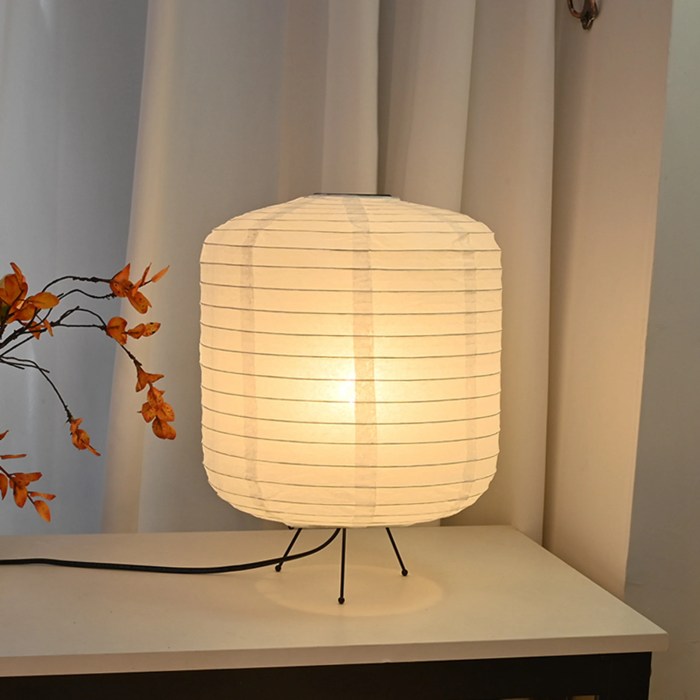
Japanese rice paper lamps transcend mere lighting; they are statements of aesthetic harmony. Their delicate nature, often incorporating traditional Japanese design elements, creates a serene and visually captivating ambiance. This ethereal quality fosters a unique connection between the lamp and the surrounding environment, transforming a space into a contemplative haven.The aesthetic appeal of these lamps lies in their ability to seamlessly integrate into various settings, from minimalist modern homes to traditional Japanese interiors.
Their translucent quality allows ambient light to filter through, casting soft, diffused illumination that avoids harsh shadows, thus contributing to a welcoming atmosphere. The careful selection of materials and patterns further enhances their visual appeal, creating a sense of tranquility and sophistication.
Visual Impact and Space Harmony
Japanese rice paper lamps are meticulously crafted to create a soft, diffused light that harmonizes with the surrounding space. Their translucent nature allows ambient light to filter through, creating a sense of ethereal beauty. This gentle illumination avoids harsh shadows, making the room feel more inviting and comforting. The interplay of light and shadow, characteristic of these lamps, contributes to a captivating visual experience.
The soft glow emanates from within the paper, rather than being a harsh, direct light source, allowing the space to breathe.
Common Design Elements
The design of Japanese rice paper lamps frequently incorporates traditional Japanese aesthetic principles. Patterns often include intricate floral designs, flowing calligraphy, or subtle geometric patterns, evoking a sense of serenity and elegance. Colors range from soft pastels to deep, rich tones, drawing inspiration from nature and reflecting the principles of wabi-sabi, which embraces imperfection and natural beauty. Textures are often smooth and delicate, further enhancing the ethereal quality of the lamp.
Comparison with Other Lighting Types
Compared to other lighting types, Japanese rice paper lamps offer a distinct aesthetic experience. Their soft, diffused light contrasts sharply with the harsh glare of halogen or incandescent bulbs. While modern LED lights provide precise control over illumination, rice paper lamps prioritize an ambiance of serenity and understated elegance. The organic and handcrafted nature of the lamps stands in contrast to the often industrial or sterile designs of contemporary lighting fixtures.
The inherent warmth and delicate beauty of the paper distinguish them from more assertive forms of illumination.
Role of Light in Creating Atmosphere
The light emitted by Japanese rice paper lamps plays a crucial role in establishing a specific atmosphere and mood. The soft, diffused glow creates a sense of tranquility and intimacy, perfect for relaxation and contemplation. The interplay of light and shadow, particularly within the intricate patterns of the paper, further enhances the atmosphere. The subtle variations in light and shade contribute to a sense of depth and dimension within the room, creating a soothing and welcoming ambience.
The use of these lamps can transform a room from a simple functional space to a serene and inviting sanctuary.
Design Styles and Aesthetic Qualities
| Design Style | Aesthetic Qualities |
|---|---|
| Minimalist | Clean lines, simple shapes, soft colors, understated elegance, focus on the natural beauty of the paper |
| Traditional Japanese | Intricate patterns, delicate floral designs, muted color palettes, connection to nature, evoking a sense of serenity and history |
| Modern Fusion | Combination of modern and traditional elements, bold geometric patterns, contrasting colors, creating a contemporary yet culturally rich atmosphere |
Materials and Construction
Japanese rice paper lamps, a testament to the country’s intricate craftsmanship, often blend delicate beauty with surprising resilience. These lamps, prized for their ethereal ambiance, are meticulously crafted from a unique combination of materials, each contributing to their aesthetic and functional qualities. The process, from selecting the paper to final assembly, showcases a commitment to precision and detail.The selection of materials, from the paper itself to the supporting structures, directly influences the lamp’s final form and performance.
This careful consideration ensures that the lamp is not just visually appealing but also capable of withstanding the demands of everyday use.
Paper Types and Properties
The heart of a Japanese rice paper lamp lies in the paper itself. Traditional Japanese paper, orwashi*, is made from natural fibers, typically sourced from the bark of the mulberry tree. The paper’s unique properties, such as its inherent strength, flexibility, and translucence, are crucial for creating the lamp’s delicate form. Different types of washi paper, varying in thickness and texture, are employed for different parts of the lamp, ensuring optimal strength and aesthetic appeal.
The choice of paper directly impacts the lamp’s overall visual appeal and its ability to diffuse light effectively.
Crafting Process
The creation of a rice paper lamp is a multi-step process, demanding meticulous care and attention to detail. The initial stage involves preparing the washi paper. This might include soaking, sizing, and carefully shaping the paper to achieve the desired form. Subsequent steps involve constructing the lamp’s framework. Often, bamboo or lightweight wood is used for structural support.
These materials, chosen for their inherent strength and compatibility with the paper, are carefully cut and assembled to form the lamp’s base and frame. Finally, the meticulously prepared paper is carefully affixed to the structure, often employing traditional adhesives.
Construction Methods for Structural Integrity
The delicate nature of rice paper demands careful consideration in construction to ensure the lamp’s structural integrity. Traditional Japanese artisans often employ intricate techniques to create strong yet aesthetically pleasing structures. These techniques might include careful layering of paper, use of light, supportive frames, and reinforcement of vulnerable points. These techniques not only provide strength but also complement the aesthetic design, enabling the lamps to withstand use while retaining their delicate beauty.
Materials and Properties Table
| Material | Type | Properties |
|---|---|---|
| Washi Paper | Natural Fiber | Strong, flexible, translucent, lightweight, durable |
| Bamboo | Natural Material | Lightweight, strong, flexible, sustainable |
| Wood | Natural Material | Strong, durable, customizable |
| Adhesive | Traditional Japanese | Non-toxic, strong, water-resistant, easily removable |
Aesthetic and Functional Contributions
The combination of materials and construction methods in Japanese rice paper lamps creates a harmonious balance between aesthetics and functionality. The translucent nature of the washi paper allows light to diffuse softly, creating a warm and inviting atmosphere. The strength and flexibility of the supporting structures ensure the lamp’s durability, while the delicate craftsmanship and varied design choices contribute to the lamp’s unique appeal.
The overall effect is a piece of art that both illuminates and beautifies a space.
Functionality and Applications
Japanese rice paper lamps transcend their primary function of illumination, offering a sophisticated way to enhance interior design and evoke specific ambiances. Their delicate nature and inherent artistry allow for a wide range of applications beyond the home, creating a unique visual experience in various settings. These lamps are not merely light sources; they are statements of design and cultural appreciation.Beyond basic illumination, these lamps subtly manipulate the perception of space.
Their translucent quality diffuses light, creating a soft, ambient glow that doesn’t overwhelm the room. This characteristic, coupled with the intricate designs often found on the paper, invites a deeper engagement with the surrounding environment.
Diverse Functions of Rice Paper Lamps
The aesthetic qualities of Japanese rice paper lamps contribute to their versatile functionality. Their gentle glow can be used to create a serene atmosphere in a bedroom, a warm and inviting ambiance in a dining room, or a contemplative space in a study. The soft, diffused light is particularly well-suited to settings where a strong, focused beam is not required, instead allowing the light to dance and soften the contours of the space.
Interior Design Applications
These lamps are more than just decorative accents. They seamlessly integrate into various interior design styles, from minimalist to traditional Japanese aesthetics. Their delicate beauty can be a focal point in a modern living room or a subtle complement to a traditional Japanese tea room. The paper’s inherent translucence diffuses light, creating a soft, ambient glow, enhancing the overall ambiance of the space.
Potential Applications in Different Settings
Japanese rice paper lamps are not confined to residential settings. Their unique aesthetic appeal extends to commercial spaces like restaurants and art galleries. In a restaurant, the soft, diffused light can create a calming and inviting atmosphere, encouraging guests to linger. In an art gallery, the lamps can highlight specific pieces of art, subtly drawing the eye without overpowering the exhibits.
Enhancing Ambiance with Rice Paper Lamps
Examples of enhancing ambiance include placing a cluster of rice paper lamps in a living room to create a warm, intimate atmosphere. A single, large lamp in a corner can serve as a sculptural element, adding visual interest and a touch of Japanese artistry. The placement and number of lamps can be adjusted to create a specific mood, from serene and contemplative to vibrant and celebratory.
Categorization of Applications and Aesthetic Impact
| Application | Aesthetic Impact |
|---|---|
| Bedroom | Serene, calming, and intimate. Soft light encourages relaxation. |
| Dining Room | Warm, inviting, and encourages conversation. Creates a relaxed atmosphere. |
| Living Room | Versatile and can be used to create a focal point or to complement other design elements. Adds a touch of cultural flair. |
| Restaurant | Inviting, relaxing, and conducive to a pleasant dining experience. Soft light fosters a sense of calm. |
| Art Gallery | Highlights artwork subtly, drawing attention without overpowering the exhibits. Creates a contemplative and appreciative atmosphere. |
Light Effects and Atmosphere
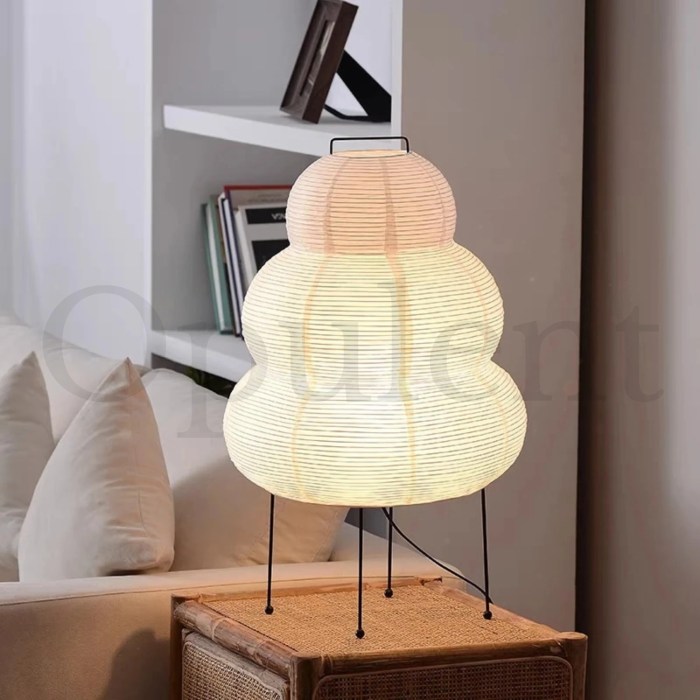
Japanese rice paper lamps transcend mere illumination; they sculpt atmosphere, weaving a tapestry of light and shadow that evokes a unique sense of tranquility. The soft, diffused glow, inherent in the nature of the material, creates an intimate and serene ambiance, ideal for meditation, relaxation, or simply appreciating the beauty of a quiet moment. The interplay of light and paper texture further enhances the visual appeal, offering a subtle dance of patterns and shadows.The light emitted by these lamps isn’t simply about brightness; it’s about the quality of that light.
The diffused nature of the light source, filtered through the translucent rice paper, creates a gentle, warm glow that is both inviting and comforting. This soft, diffused light contrasts sharply with the harsh, direct light of conventional lamps, fostering a more intimate and engaging experience with the space.
Light Effects Vary by Size, Shape, and Paper Type
The characteristics of the light emitted by a rice paper lamp are profoundly influenced by its physical attributes. Larger lamps, for instance, diffuse a wider, more encompassing glow, creating a sense of spaciousness and enveloping warmth. Smaller lamps, conversely, focus the light, creating a more concentrated and intimate atmosphere, ideal for a single reading corner. The shape of the lamp also plays a role; a lamp with a more intricate or sculpted form can cast unique patterns and shadows on the surrounding surfaces, adding a dynamic element to the ambiance.
Different types of rice paper, varying in thickness and opacity, further alter the light’s intensity and diffusion. Thicker papers produce a softer, more diffused light, while thinner papers allow a greater passage of light, creating a more ethereal effect.
Impact of Light on Paper’s Texture and Patterns
The delicate texture of the rice paper itself interacts beautifully with the light. The inherent translucence of the paper allows the light to filter through, highlighting the subtle grain and patterns within the paper. The way the light interacts with these patterns produces an ever-shifting play of light and shadow, a constantly evolving visual experience. The paper’s texture, whether smooth or slightly textured, further influences the quality of the diffused light, creating a unique and mesmerizing effect.
For example, a lamp using paper with a subtle, woven pattern will cast a more intricate pattern of light and shadow on the surrounding walls.
Effect of Soft, Diffused Light on Atmosphere
The soft, diffused light from rice paper lamps contributes significantly to a serene and calming atmosphere. This gentle illumination creates a soothing contrast to the harsh, intrusive light of conventional lighting, allowing for a more relaxed and contemplative mood. The absence of harsh shadows and the diffused glow foster a sense of peace and tranquility, making these lamps ideal for spaces dedicated to relaxation or contemplation.
This effect is particularly pronounced in rooms with minimal other light sources.
Different Lighting Configurations and Perceived Ambiance
The overall ambiance of a space with rice paper lamps can be significantly altered by the arrangement and configuration of the lighting. A single lamp, positioned strategically, can cast a warm glow on a specific area, ideal for intimate conversations or focused reading. Multiple lamps, arranged in a harmonious pattern, can create a more encompassing and inviting atmosphere, ideal for larger gatherings or communal spaces.
Furthermore, the placement of the lamps in relation to reflective surfaces can enhance or modify the light’s effect. Positioning the lamps near mirrors, for example, can dramatically amplify the light’s reach and create a more expansive ambiance.
Maintenance and Care
Preserving the delicate beauty and functionality of Japanese rice paper lamps requires meticulous care. These lamps, often crafted with intricate artistry and natural materials, demand a gentle touch to ensure longevity. Proper cleaning, storage, and preventative measures are crucial for maintaining their aesthetic appeal and structural integrity.Maintaining these lamps involves more than just wiping them down. Understanding the materials and construction is key to preventing damage.
Addressing potential issues promptly can prevent more significant problems later.
Cleaning Techniques
The delicate nature of rice paper necessitates a gentle approach. Avoid harsh chemicals or abrasive materials that could scratch or damage the paper. A soft, lint-free cloth, dampened with a very mild, neutral cleaning solution, is ideal. Wiping the lamp gently, in a circular motion, is the recommended approach. Never spray water directly onto the rice paper.
Addressing Potential Issues
Moisture is the enemy of rice paper lamps. If moisture does get on the paper, blot it up immediately with a soft cloth. Avoid letting water sit on the paper. Small tears or punctures can be addressed with a specialized Japanese paper repair kit, available at craft stores. Larger damage might necessitate professional restoration.
Identifying and addressing these issues early is key to preventing further damage.
Preventing Damage
Regular inspections are crucial for proactive damage prevention. Check the lamp for any signs of moisture damage, tears, or loose elements. Avoid placing the lamp in direct sunlight or near extreme temperature fluctuations. These factors can cause the paper to dry out or become brittle, increasing the risk of damage.
Storage Practices
Proper storage is critical for preserving the integrity of Japanese rice paper lamps. Store the lamps in a cool, dry place, away from direct sunlight, moisture, and extreme temperatures. Consider using acid-free archival storage boxes or materials to protect the delicate paper. Avoid storing the lamps in places where they may be exposed to pests or rodents.
A well-ventilated environment is also important.
Essential Care Summary
Proper care for Japanese rice paper lamps is essential to preserving their beauty and lifespan.
- Use a soft, lint-free cloth dampened with a mild cleaning solution for cleaning.
- Avoid harsh chemicals, abrasive materials, and direct water spray.
- Address moisture damage immediately by blotting with a soft cloth.
- Inspect the lamp regularly for signs of damage, such as tears or loose elements.
- Store in a cool, dry, and well-ventilated place, away from direct sunlight, moisture, and extreme temperatures.
- Use acid-free archival storage materials for added protection.
- Avoid storing in areas exposed to pests or rodents.
Historical and Cultural Context
Japanese rice paper lamps, with their delicate beauty and evocative light, are deeply rooted in the nation’s rich artistic and cultural heritage. Their evolution reflects not just aesthetic trends but also underlying philosophical and spiritual values. From humble beginnings, these lamps have become potent symbols of Japanese craftsmanship and cultural identity.The origins of Japanese rice paper lamps, like many traditional crafts, are intertwined with the country’s historical development.
Their early forms, often employed in domestic settings, evolved over centuries, adapting to changing tastes and technological advancements. These lamps played a significant role in shaping the atmosphere of homes and temples, and their design reflected the social and cultural shifts of the era.
Evolution of Design
The evolution of rice paper lamps reflects a continuous interplay between aesthetic preferences and practical considerations. Early examples, often crafted from readily available materials and employing rudimentary techniques, evolved into more elaborate and intricate designs as skills and resources developed. The aesthetic refinement of the lamps mirrored the broader advancements in Japanese artistic sensibilities, including the increasing use of decorative elements and the incorporation of specific motifs.
Cultural Influences
The design and construction of Japanese rice paper lamps were profoundly influenced by various cultural factors. Buddhist traditions, with their emphasis on serenity and tranquility, played a crucial role in the aesthetic choices. The use of natural light and the subtle diffusion it created resonated with the spiritual ideals of Zen Buddhism. Furthermore, the emphasis on simplicity and minimalism in Japanese aesthetics influenced the design, often resulting in forms that are both elegant and uncluttered.
The use of natural materials, such as bamboo and wood, reflected the close connection Japanese culture has with nature.
Symbolism and Meaning
Japanese rice paper lamps hold significant symbolism in Japanese culture. Their delicate nature and the soft, diffused light they emit often represent the ephemeral beauty of life and the importance of appreciating the present moment. The lamps’ translucent quality may symbolize the transparency of thoughts and intentions, fostering a sense of serenity and inner peace. The materials used in their construction, like rice paper itself, carry cultural connotations of simplicity, nature, and craftsmanship.
Historical Usage and Cultural Relevance
These lamps were not just decorative elements; they served practical functions within Japanese homes and religious spaces. In temples, the gentle illumination created by rice paper lamps contributed to a serene and meditative atmosphere, enhancing the spiritual experience. In domestic settings, the soft glow provided a warm and inviting ambiance, ideal for gatherings and family activities. These examples highlight the multifaceted role of these lamps in Japanese society, reflecting both practical needs and cultural values.
Modern Interpretations and Adaptations
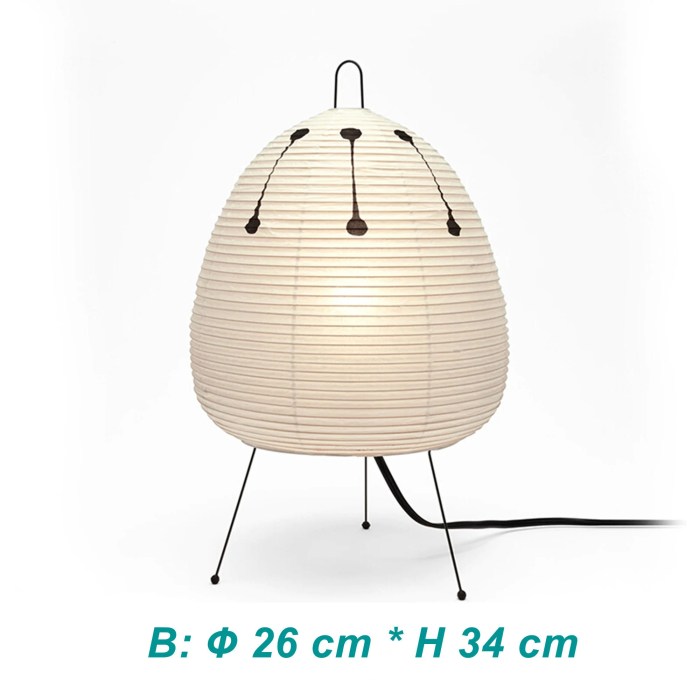
Japanese rice paper lamps, imbued with a timeless aesthetic, are undergoing a renaissance in contemporary design. Their inherent lightness and delicate beauty resonate with modern sensibilities, inspiring designers to reimagine these traditional fixtures for a new generation. This adaptation often involves embracing innovative materials, manufacturing techniques, and light-shaping strategies to create pieces that are both visually striking and functionally efficient.Modern interpretations of these lamps are not simply stylistic tweaks to traditional designs; they represent a fusion of ancient craft with contemporary innovation.
Designers are drawing inspiration from both the historical context and the current aesthetic trends to create unique and engaging pieces. This fusion reflects a broader cultural shift towards appreciating heritage while simultaneously embracing progress.
Contemporary Design Trends
Modern designers are exploring a wide range of materials and techniques to adapt the rice paper lamp to contemporary aesthetics. This includes incorporating elements of minimalism, industrial design, and biophilic design, leading to a diverse range of interpretations. For example, a rice paper lampshade might be paired with a sleek metal base, or crafted from recycled materials to evoke an eco-conscious design.
Technological Advancements
Technological advancements are playing a significant role in the evolution of rice paper lamps. Improved manufacturing processes allow for greater precision in shaping and assembling the delicate paper, enabling more intricate designs and larger scale productions. The use of LED lighting has also revolutionized the way these lamps function, creating a wider range of light effects and energy efficiency.
The combination of innovative materials and technologies has resulted in rice paper lamps that are both beautiful and highly functional.
Material Innovation
The core material, rice paper, is often combined with other contemporary materials to achieve diverse aesthetics. Bamboo, wood, or even recycled plastics might be used as bases or framing elements. The choice of materials can significantly influence the overall look and feel of the lamp, allowing designers to explore a spectrum of textures and colors.
Light Effects and Atmosphere
The delicate nature of rice paper, combined with the right light source, creates a captivating play of light and shadow. LED lights with adjustable color temperatures and dimming capabilities allow for a versatile and customized lighting experience. This technology enhances the ability to create specific atmospheres, ranging from soft, ambient lighting to dramatic, focused illumination, thus enhancing the emotional impact of the lamp.
Comparison with Other Lighting Styles
Japanese rice paper lamps offer a unique aesthetic and functional approach to illumination, differentiating them from traditional paper lanterns and modern LED lighting. Their delicate construction and soft, diffused light create a distinct ambiance, unlike the bright, often harsh glow of LED systems or the potentially overwhelming light output of some paper lanterns. This comparison highlights the advantages and disadvantages of each style, providing insight into the specific appeal of the rice paper lamp.While all three lighting styles offer illumination, their construction, materials, and intended effects differ significantly.
Traditional paper lanterns, often made of various paper types and often featuring intricate designs, frequently employ a more direct and potentially brighter light source. Modern LED lighting provides highly adjustable and energy-efficient illumination but often lacks the handcrafted artistry and nuanced atmosphere of rice paper lamps.
Unique Characteristics of Japanese Rice Paper Lamps
Japanese rice paper lamps stand out due to their intricate craftsmanship, the use of translucent rice paper, and the diffused light they produce. This handcrafted nature, combined with the paper’s inherent translucence, creates a soft, ambient glow, which is often preferred for creating a relaxing atmosphere. The subtle play of light and shadow, characteristic of the paper’s texture, contributes to a unique and intimate illumination experience.
Comparison with Traditional Paper Lanterns
Traditional paper lanterns, while sharing a historical connection with light, often employ a more direct light source. This can vary significantly depending on the lantern’s design and construction, but the direct light frequently results in a more focused illumination than the diffused light of rice paper lamps. Furthermore, the materials and construction methods of traditional lanterns can vary widely, leading to a broader spectrum of light output and visual appeal.
Comparison with Modern LED Lighting
Modern LED lighting excels in energy efficiency and adjustable light output. However, the often-harsh, direct light from many LED sources can clash with the aesthetic goal of creating a tranquil ambiance. While LED systems can be integrated into aesthetically pleasing fixtures, the inherent light source often lacks the nuanced, filtered glow of rice paper lamps.
Advantages and Disadvantages
| Lamp Type | Advantages | Disadvantages |
|---|---|---|
| Japanese Rice Paper Lamps | Unique aesthetic, soft diffused light, creates a calming atmosphere, enhances ambient lighting, delicate and handcrafted | Limited brightness, may not be suitable for tasks requiring strong illumination, delicate materials require care, less energy efficient |
| Traditional Paper Lanterns | Intricate designs, often decorative, readily available, various materials and construction methods | Can vary in light output significantly, potentially bright, not always aesthetically harmonious with modern decor |
| Modern LED Lighting | Energy efficient, adjustable light output, versatile, durable, readily available in various designs and fixtures | Can be harsh, direct light, often lacks handcrafted artistic appeal, may not create the same ambient lighting effects |
Environmental Impact
Japanese rice paper lamps, with their delicate beauty, raise crucial questions about their environmental footprint. The materials used, the manufacturing process, and the potential for sustainable alternatives are all key factors in assessing their overall impact. This section delves into the sustainability of these lamps, exploring the trade-offs between aesthetic appeal and ecological responsibility.The choice of materials significantly influences the environmental impact of a rice paper lamp.
Traditional methods often rely on natural resources, potentially affecting local ecosystems. Furthermore, the manufacturing process can involve various stages, each with its own environmental implications. Considering the entire lifecycle, from sourcing materials to disposal, is essential for a holistic understanding.
Material Sustainability
Traditional rice paper, derived from the pith of the paper mulberry tree, is a renewable resource. However, sustainable sourcing practices must be implemented to ensure responsible harvesting and avoid deforestation. Alternatives such as recycled or synthetic materials offer potential environmental benefits but may compromise aesthetic qualities. The potential for microplastic release from synthetic materials used in lamp components, such as adhesives, must also be considered.
Manufacturing Processes and Carbon Footprint
The manufacturing process of rice paper lamps can vary significantly. Traditional methods, often employing manual techniques, might have a lower carbon footprint compared to mass-produced alternatives. However, the transportation of materials and finished products across long distances can contribute to emissions. Assessing the overall carbon footprint requires considering the entire supply chain, from the raw materials to the final product.
The use of energy-efficient manufacturing processes and local sourcing initiatives can reduce this impact.
Eco-Friendly Alternatives
Several eco-friendly alternatives are emerging for lamp components, including bio-based adhesives and recycled materials. The use of biodegradable packaging and responsible sourcing practices further enhances the sustainability of the lamp. Companies are increasingly focused on minimizing their environmental impact, adopting more sustainable practices across their operations. For example, the use of solar energy in lamp production or incorporating recycled glass or metal components in the frame reduces the environmental burden.
Comparative Environmental Impact
| Lamp Type | Material Sourcing | Manufacturing Process | Transportation | Overall Impact |
|---|---|---|---|---|
| Traditional Rice Paper Lamp | Potentially sustainable if sourced responsibly | May involve manual labor, lower carbon footprint if local | Variable, depends on sourcing and production location | Moderate to high, depending on sourcing and manufacturing practices |
| Rice Paper Lamp with Recycled Components | Potentially sustainable if recycled materials are sourced responsibly | Potentially lower carbon footprint with recycled materials | Variable, depends on sourcing and production location | Low to moderate, depending on recycled material quality and manufacturing processes |
| Rice Paper Lamp with Synthetic Materials | Potentially unsustainable, depending on the origin and processing of the synthetic materials | Potentially higher carbon footprint if energy-intensive processes are used | Variable, depends on sourcing and production location | High, potential for microplastic release |
This table provides a general overview, and the specific impact can vary based on individual design choices and manufacturing processes.
Illustrative Examples
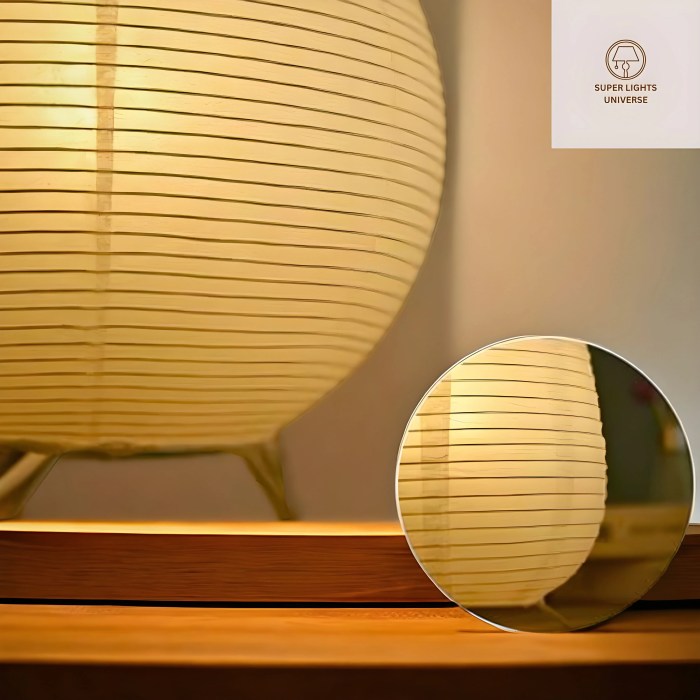
Japanese rice paper lamps, with their delicate beauty and subtle light, offer a captivating range of design possibilities. These lamps, often handcrafted, translate the inherent aesthetic of Japanese design principles into functional illumination, creating a unique atmosphere in any space. Their versatility, from minimalist to ornate, reflects the adaptability of the craft.
Contemporary Minimalist Style
This style emphasizes clean lines and a focus on the inherent beauty of the rice paper itself. The lamps often feature simple, geometric shapes, highlighting the transparency of the paper. A lamp designed for a modern living room might consist of a single, large, circular rice paper disc, mounted on a slender, black metal stand. The light source, likely an LED, is concealed within the frame, casting a soft, diffused glow.
Dimensions might be 30 cm in diameter and 25 cm in height, creating a subtle, yet impactful focal point. The visual impact is one of understated elegance, with the lamp acting as a piece of minimalist art.
Traditional Lantern Style
Traditional lantern styles draw inspiration from historical forms, incorporating intricate patterns and designs. These lamps often feature a framework of bamboo or wood, adorned with intricate paper cutouts or painted designs. A lamp for a Japanese-style garden might have a conical shape, approximately 45 cm in height and 30 cm in width. The rice paper, subtly colored or adorned with traditional Japanese motifs, filters the light, creating a warm, inviting atmosphere.
The visual appeal of these lamps lies in their ability to evoke a sense of history and tradition, seamlessly integrating with a culturally rich space.
Modular and Multi-Layered Designs
These lamps use multiple rice paper panels or elements, arranged in an overlapping or cascading fashion, creating depth and visual complexity. A lamp for a contemporary gallery space might comprise several panels of varying sizes and shapes, arranged to form a layered, three-dimensional structure. The rice paper could feature intricate patterns, varying in transparency and color, allowing light to filter through in a mesmerizing dance.
Dimensions could vary depending on the number and size of the panels. The visual impact of these lamps lies in their dynamic composition and ability to create a captivating play of light and shadow.
Table
| Style | Description | Dimensions (approximate) | Intended Use | Visual Impact |
|---|---|---|---|---|
| Contemporary Minimalist | Single, large circular rice paper disc mounted on a slender, black metal stand. | 30 cm diameter, 25 cm height | Modern living room, study | Understated elegance, minimalist art piece. |
| Traditional Lantern | Conical shape, bamboo or wood framework, adorned with intricate paper cutouts or painted designs. | 45 cm height, 30 cm width | Japanese-style garden, meditation space | Evokes history and tradition, warm and inviting atmosphere. |
| Modular and Multi-Layered | Multiple rice paper panels or elements arranged in an overlapping or cascading fashion. | Variable, depending on the number and size of panels | Contemporary gallery space, artistic exhibition | Dynamic composition, captivating play of light and shadow. |
Last Recap
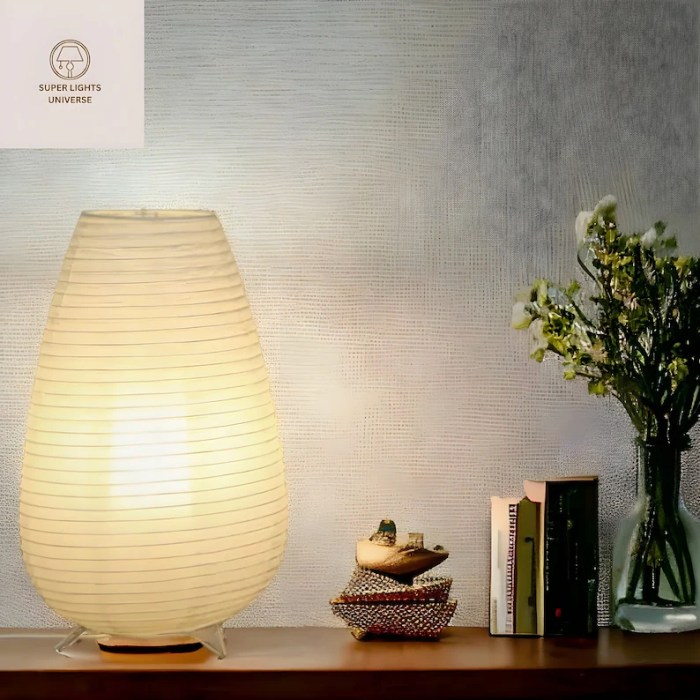
Japanese rice paper lamps, with their delicate beauty and profound cultural significance, continue to captivate audiences. Their ability to transform a space, from a tranquil home to a sophisticated restaurant, makes them more than just lighting fixtures; they are statements of aesthetic refinement. Their enduring appeal lies in their seamless integration of tradition, artistry, and modern sensibilities.
