
From chaotic piles of toys to meticulously organized play areas, effective toy storage is key to a happy child and a functional home. Shelf dividers for toys offer a transformative solution, optimizing space, reducing clutter, and improving the overall aesthetic of a child’s play environment. This comprehensive guide explores the various types, benefits, and practical applications of these versatile organizers, ensuring your little ones have a structured and stimulating play space.
Understanding the different types of shelf dividers available – from simple plastic to stylish wooden options – is crucial for matching the right divider to your storage needs and aesthetic preferences. This guide delves into the diverse range of materials and styles, providing insights into adjustable versus fixed dividers, and the crucial considerations for choosing the perfect solution.
Introduction to Shelf Dividers for Toys
Shelf dividers for toys are essential components in any organized playroom or storage space. They efficiently segment and compartmentalize storage areas, preventing toys from becoming jumbled and fostering a tidier, more accessible environment for children and parents alike. Effective toy organization is crucial for a child’s development and learning, as it promotes a sense of order and reduces stress associated with clutter.Shelf dividers come in a variety of styles, materials, and sizes to cater to diverse storage needs and aesthetic preferences.
Their adaptability to various shelf configurations makes them a valuable tool for maximizing space and minimizing chaos.
Types of Shelf Dividers
Shelf dividers are available in a multitude of materials, each with its unique characteristics and advantages. Understanding these distinctions allows for informed choices based on specific storage requirements.
- Plastic Shelf Dividers: Commonly made from durable, lightweight plastic, these dividers are often stackable and easily adaptable to different shelf sizes. Their affordability and resistance to moisture make them a popular choice for various storage environments, including playrooms, closets, and pantries. Plastic dividers are often transparent or have a variety of colors, which can add a touch of visual appeal to the storage space.
- Fabric Shelf Dividers: These dividers often feature decorative patterns or colors and are typically designed to neatly organize soft toys, plush animals, or stuffed characters. Fabric dividers are usually made from durable textiles that can withstand frequent use and are often available in a variety of designs to match the overall décor. Their soft nature makes them a gentler option for storing delicate or smaller toys.
- Wooden Shelf Dividers: These dividers offer a more substantial and aesthetically pleasing alternative, often incorporating natural wood tones or painted finishes. Wooden dividers can be used to section off shelves for a wide variety of toys and can enhance the overall design of the playroom or storage area. They are particularly suitable for creating defined zones for different types of toys, fostering better organization and visual appeal.
Materials Used in Construction
The choice of material significantly impacts the divider’s durability, aesthetic appeal, and suitability for various storage needs. Careful consideration of the materials used in construction is key to ensuring longevity and compatibility with existing storage solutions.
- Plastic: Commonly used plastics include polypropylene and polyethylene, known for their lightweight nature, affordability, and resistance to moisture and impacts. These properties make them well-suited for frequently used and potentially wet environments.
- Fabric: A variety of textiles can be used for fabric dividers, including cotton, polyester, or canvas. The choice often depends on the desired aesthetic and the type of toys being stored. The durability of the fabric will determine its lifespan and suitability for frequent use.
- Wood: Different types of wood, such as pine, oak, or maple, can be used for wooden dividers. The type of wood influences the durability, grain patterns, and overall aesthetic of the divider. Wood is a popular choice for its classic and natural look.
Advantages of Using Shelf Dividers
Using shelf dividers provides significant advantages in toy organization and storage. Beyond simply tidying up, they enhance accessibility and encourage children to develop a sense of responsibility.
- Improved Organization: Shelf dividers create defined compartments, preventing toys from mixing and cluttering the shelves. This promotes visual organization and clarity, making it easier to locate specific toys and making cleaning and maintenance simpler.
- Space Optimization: Dividers help maximize shelf space by creating distinct storage areas for different toy types, ensuring that the storage area is utilized efficiently. This is particularly useful for homes with limited space or multiple children sharing a playroom.
- Enhanced Accessibility: By clearly separating toys, children can easily access and retrieve specific items, reducing frustration and encouraging independence in their play. This contributes to a more enjoyable and efficient play experience.
Benefits in Different Toy Storage Scenarios
The use of shelf dividers offers specific advantages depending on the type of toy storage scenario. Understanding these nuances allows for tailored solutions that maximize organization and space utilization.
- Playroom Organization: Dividers help organize different types of toys, like blocks, dolls, and cars, in a way that fosters a more organized and visually appealing play space. This allows for a more focused and engaging play experience for children.
- Kids’ Closet Storage: Shelf dividers in closets can separate clothing, shoes, and accessories, optimizing space and ensuring everything is easily accessible. This is particularly helpful for younger children who may not be able to sort their items effectively.
- Multi-Child Playroom: Dividers are essential for establishing distinct play zones or storage areas for multiple children sharing a playroom, helping prevent disputes and promoting individual toy organization.
Benefits of Using Shelf Dividers
Maximizing space and minimizing clutter are paramount in modern living, especially when it comes to children’s play areas. Effective toy organization not only streamlines the environment but also contributes to a more structured and engaging play experience for children. Shelf dividers, a simple yet highly effective tool, play a crucial role in achieving this balance.Shelf dividers are more than just organizational tools; they significantly impact the overall functionality and aesthetic appeal of a space dedicated to toys.
They transform a potentially chaotic jumble of toys into a well-organized and visually appealing display, improving the entire play area. This, in turn, fosters a more positive and productive play environment for children.
Space Optimization
Shelf dividers are an indispensable tool for maximizing storage space in limited areas. By strategically dividing shelves, you can fit more toys, without sacrificing the available space. This is particularly beneficial for households with multiple children or those with a significant collection of toys. A well-organized space allows for the efficient utilization of every inch of shelf area, minimizing wasted space and maximizing the amount of toys that can be accommodated.
This translates to a more efficient use of space, a crucial element in modern living. For example, a set of stacked, divided shelves can effectively house an extensive collection of Lego sets, dolls, and action figures, compared to a single, unorganized shelf.
Clutter Reduction and Aesthetic Appeal
Shelf dividers significantly contribute to reducing clutter and improving the aesthetic appeal of toy storage areas. By organizing toys into distinct sections, shelf dividers help maintain a neat and tidy environment, minimizing the visual impact of scattered toys. This organization leads to a more inviting and stimulating play area, enhancing the overall appeal of the room. A visually appealing storage space often inspires children to engage more effectively with their toys and encourages more structured play.
A properly divided shelf not only visually organizes the toys but also fosters a more organized and focused play experience.
Improved Accessibility and Reduced Searching Time
Shelf dividers significantly improve toy accessibility, minimizing the time spent searching for specific toys. By categorizing and separating toys on different shelves, children can quickly locate desired items. This streamlined process encourages more independent play and reduces frustration associated with rummaging through piles of toys. This feature is particularly valuable for younger children, who may find it challenging to locate specific toys amidst a disorganized collection.
By making toys readily accessible, shelf dividers enable children to focus on play rather than on the search.
Impact on Different Types of Toys
The effectiveness of shelf dividers varies depending on the type of toy. For instance, small, lightweight toys like building blocks or figurines can be effectively organized into separate compartments, preventing them from getting mixed or lost. Larger toys like action figures or dolls can also be strategically organized using dividers, preventing them from toppling or colliding. Different types of toys respond differently to the use of dividers, and the optimal approach to organization depends on the specific characteristics of the toys.
For example, large, bulky toys can be separated by size or type, allowing easier retrieval.
Contribution to a Structured Play Environment
Shelf dividers contribute significantly to a more structured and organized play environment. By creating defined zones for different types of toys, children can better understand and manage their play space. This structured approach encourages a more focused and productive play experience, fostering creativity and reducing the potential for conflicts arising from the lack of organization. This structured play environment often results in a more engaging and effective play experience for children, allowing them to focus on imaginative play.
Types and Styles of Shelf Dividers
Shelf dividers, a seemingly simple solution, significantly enhance the organization and aesthetic appeal of storage spaces. Choosing the right type and style directly impacts the effectiveness of toy storage, minimizing clutter and maximizing space utilization. The key lies in matching the divider to the specific needs of your toy collection and the design of your shelves.
Material and Style Variations
Shelf dividers come in a wide array of materials, each with its own set of advantages and drawbacks. From durable plastic to attractive wood finishes, the selection allows for customization to match décor and budget. The choice of material directly affects the divider’s sturdiness, aesthetic appeal, and potential for longevity.
- Plastic dividers are a popular choice due to their affordability and versatility. They are often lightweight, easy to clean, and come in a wide array of colors and designs. Clear plastic dividers are particularly effective for visually displaying toys, maximizing the visual appeal of the shelf. Some high-quality plastic dividers are also impact-resistant, making them suitable for areas with active children.
- Wood dividers, while potentially more expensive, offer a natural, warm aesthetic that complements various interior styles. Solid wood options provide a sturdy and long-lasting solution, but require more careful maintenance than plastic. Wooden dividers can be painted or stained to perfectly match existing décor.
- Metal dividers are ideal for high-traffic areas or those needing added durability. They can be a striking addition, especially in contemporary or industrial-style homes. The metal’s inherent strength makes them resistant to dents and scratches, making them suitable for heavy or delicate toys.
- Fabric dividers, often used in combination with other materials, add a touch of softness and visual interest. They can create distinct compartments for different toy types, promoting a more visually organized and appealing display. Fabric dividers can be easily swapped or replaced, offering a more dynamic storage solution.
Configurations and Shapes
The design of shelf dividers is just as important as the material. A variety of configurations and shapes are available to accommodate different storage needs. The optimal shape and configuration are crucial for maximizing space utilization and minimizing clutter.
- Standard rectangular dividers are the most common, providing straightforward and functional compartmentalization. They are well-suited for organizing toys by size or category. These dividers are also adaptable to various shelf depths and widths.
- Adjustable dividers allow for customized configurations, accommodating changes in storage needs over time. They offer a dynamic approach, easily adjusted as toy collections evolve or space requirements change.
- Multi-tiered or stackable dividers are excellent for maximizing vertical space, creating a tiered storage system for different toy sizes and types. They provide an efficient use of space, creating multiple storage levels within a single shelf.
- Built-in compartment dividers, often found in specialized toy storage units, offer pre-defined sections for specific toy types. They provide a pre-organized storage solution, guiding parents and children towards a consistent storage routine.
Adjustable vs. Fixed Dividers
A key differentiator is whether the dividers are adjustable or fixed. Understanding this distinction is critical for optimizing storage solutions for varying needs.
Adjustable dividers allow for customization, whereas fixed dividers offer a set configuration. The choice depends on the flexibility required and the anticipated changes in storage needs.
Comparison of Divider Designs
The design features of shelf dividers significantly impact their functionality. Dividers with built-in compartments offer pre-organized storage, while adjustable dividers cater to dynamic storage requirements. Consider the specifics of your toy collection and storage space when selecting the best design.
Suitable Toy Categories Table
| Divider Type | Suitable Toy Categories |
|---|---|
| Standard Rectangular | Books, dolls, cars, action figures |
| Adjustable | Building blocks, stuffed animals, puzzles |
| Multi-tiered | Small figurines, board games, playsets |
| Built-in Compartments | Art supplies, craft materials, educational toys |
Choosing the Right Shelf Dividers
Optimizing toy storage involves more than just finding a sturdy shelf. Selecting the right shelf dividers is crucial for maximizing space and maintaining a tidy play area. Careful consideration of several factors ensures that dividers effectively organize toys, promote easy access, and enhance the overall aesthetic appeal of the storage space.Selecting the ideal shelf dividers requires a nuanced understanding of the specific needs of the storage area and the toys being stored.
A well-chosen divider system not only enhances tidiness but also contributes to a more enjoyable and functional play environment. This careful selection process ensures the dividers serve their purpose while enhancing the overall organization and appeal of the storage space.
Shelf Size and Shape Considerations
Properly sized dividers are critical to maximize space utilization and prevent toys from toppling or becoming overcrowded. Dividers should conform to the precise dimensions of the storage shelves, ensuring a snug fit without gaps or excessive overhang. Oversized dividers waste valuable space, while undersized ones fail to adequately compartmentalize the toys. A precise fit guarantees efficient use of vertical space and avoids unsightly gaps.
Mismatched sizes can create a cluttered and disorganized appearance.
Matching Dividers to Toy Types
The type of toys being stored significantly influences the selection of appropriate dividers. Small, delicate figurines or building blocks necessitate dividers with smaller compartments or slots to prevent damage. Conversely, larger items like stuffed animals or action figures might require broader sections or bins. The design of the dividers should be tailored to the specific needs of the stored items.
Matching the divider’s design to the type of toys guarantees that items are not damaged and remain neatly organized.
Material Durability and Safety
Child safety and the durability of the divider material are paramount. The material should be non-toxic, resistant to scratches, and capable of withstanding frequent use and potential impacts. Avoid materials that could easily chip, break, or release harmful chemicals. The dividers’ durability directly impacts the longevity of the storage solution. Materials like sturdy plastic or high-quality wood are preferred due to their resilience and safety profile.
Aesthetic Preferences
The storage space’s aesthetic preferences play a crucial role in the choice of dividers. For example, a modern, minimalist space might benefit from sleek, transparent dividers, whereas a more traditional or rustic setting might favor wooden or woven dividers. Consider the overall color scheme and design of the room when selecting dividers. Dividers should complement the existing decor, contributing to the overall aesthetic of the play area.
Harmonious design ensures the storage solution enhances, rather than detracts from, the room’s aesthetic.
Creative Organization Ideas with Shelf Dividers
Transforming a chaotic toy kingdom into an organized haven is achievable with strategic shelf divider implementation. Beyond simple compartmentalization, these tools unlock a world of creative organization, optimizing space and fostering a more enjoyable play environment for children and parents alike. Clever arrangements can transform a cluttered space into a visually appealing and functional play area.Clever use of shelf dividers can significantly impact the way toys are stored and accessed, improving both aesthetic appeal and ease of management.
This approach promotes a more organized and engaging environment for children, fostering a sense of order and control over their play spaces.
Arranging Toys by Category
Categorization is fundamental to efficient toy storage. Using shelf dividers, create distinct zones for specific toy types – blocks, dolls, cars, and action figures. This clear delineation simplifies retrieval and reduces the time spent searching for specific items. Such a structured approach minimizes the risk of toys getting lost or mixed up.
Color-Coded Organization
Color-coding can elevate the visual appeal of the toy storage while maintaining an organized structure. Utilizing dividers to separate toys by color – reds, blues, greens, and yellows – offers an aesthetic boost. It also makes it easier for children to identify and locate specific items, improving their independence and enhancing their understanding of color recognition.
Size-Based Sorting
Implementing size-based organization using shelf dividers maximizes space utilization. Sort toys from smallest to largest, or group similar-sized items together. This approach minimizes space waste and ensures easy access for children of all ages. It allows for more efficient storage and retrieval, making it easier to find the desired toy.
Themed Toy Displays
Creating themed displays with shelf dividers can transform a storage solution into an engaging play area. For example, a “space explorers” theme could incorporate dividers to organize rockets, astronauts, planets, and space-themed accessories. This approach fosters imaginative play and helps children connect with the theme. Such themed organization encourages imaginative play and a more engaging environment.
Examples of Different Toy Storage Layouts
| Toy Category | Divider Layout | Description |
|---|---|---|
| Building Blocks | Multiple vertical dividers, adjustable shelves | Vertical dividers organize blocks by size, while adjustable shelves provide extra storage space. |
| Dolls and Accessories | Combination of vertical and horizontal dividers | Vertical dividers for dolls and accessories, while horizontal dividers for clothing and other accessories, enabling easy access to each item. |
| Action Figures and Vehicles | Wide, adjustable dividers, and shelves | Large dividers to separate figures from vehicles, providing ample space for figures and models, maximizing storage capacity. |
| Puzzles | Clear, shallow dividers | Clear dividers to prevent puzzles from mixing and getting damaged. This arrangement ensures easy identification of puzzles. |
These examples illustrate the versatility of shelf dividers in crafting customized toy storage solutions. They demonstrate the importance of carefully considering the layout to ensure efficient use of space and optimal accessibility. By strategically utilizing dividers, parents can transform a storage area into an engaging play environment.
Practical Tips and Tricks for Installation
Proper installation of shelf dividers is crucial for maximizing their effectiveness and ensuring long-term stability. A well-placed divider system not only organizes items but also prevents accidental spills and maintains a tidy environment. Ignoring these practical steps can lead to instability, damage, and potentially hazardous situations.Effective installation goes beyond simply placing the dividers on the shelf. It involves careful consideration of the shelf’s structure, the divider’s design, and the weight distribution of the items being organized.
Understanding these factors allows for a secure and efficient setup.
Securing Shelf Dividers
Proper attachment methods are essential for preventing slippage and ensuring the dividers remain firmly in place. The stability of the dividers is directly related to the security of their attachment to the shelf. Using appropriate fasteners is paramount to avoid any risk of the dividers detaching or causing damage.
- Wall-mounted Dividers: These typically use screws or adhesive strips. Ensure the mounting points on the shelf are strong enough to support the weight of the dividers and the items they contain. Pilot holes can be drilled for better screw placement and to prevent wood splitting. Adhesive strips are suitable for certain surfaces but may not be suitable for heavier dividers or shelves with significant movement.
- Shelf Dividers with Hooks or Clips: Verify that the hooks or clips are designed for the weight of the dividers and the items to be stored. Overloading the clips can lead to breakage. Choose hooks or clips that match the shelf material and thickness.
- Adjustable Dividers: These dividers often have clips or fasteners that allow for easy adjustment. Carefully follow the manufacturer’s instructions for optimal positioning and attachment.
Utilizing Accessories for Stability
Additional accessories can significantly enhance the stability of the dividers. These accessories can be simple additions that have a considerable impact on the overall security of the setup.
- Spacer Blocks: These blocks are used to create a level surface for dividers. This is especially helpful for uneven shelves, preventing tilting or shifting.
- Corner Brackets: When using dividers in corners, brackets can add extra support and ensure stability. They create a more rigid structure, particularly for corner configurations.
- Weight Distribution: Strategically arranging items on shelves, using dividers to create compartments, ensures even weight distribution, reducing the risk of shifting and instability. This is a crucial element in the overall security of the setup.
Maintaining Stability for Safety
The safety of the organization system hinges on its stability. Regular checks can prevent potential hazards.
- Regular Inspections: Periodically examine the dividers and their attachments for any signs of damage, wear, or looseness. This simple inspection can help prevent potential accidents.
- Addressing Issues Promptly: If any issues are found, address them immediately. Loose screws or damaged clips can quickly compromise the stability of the setup.
- Appropriate Load Capacity: Never exceed the maximum weight capacity of the dividers or the shelf itself. This is essential for the safety of the items and the stability of the setup.
Step-by-Step Installation for Various Types
The installation process varies based on the type of shelf divider. Following the specific instructions for each type is crucial for a successful installation.
| Divider Type | Installation Steps |
|---|---|
| Adjustable Dividers | 1. Measure the shelf space. 2. Select the desired divider height. 3. Attach the clips or fasteners to the shelf according to the manufacturer’s instructions. 4. Position the dividers in the desired location and secure them in place. |
| Wall-mounted Dividers | 1. Mark the mounting points on the shelf. 2. Drill pilot holes if necessary. 3. Insert screws into the pilot holes and secure the dividers. 4. Check the stability of the dividers and adjust as needed. |
Maintenance and Care of Shelf Dividers
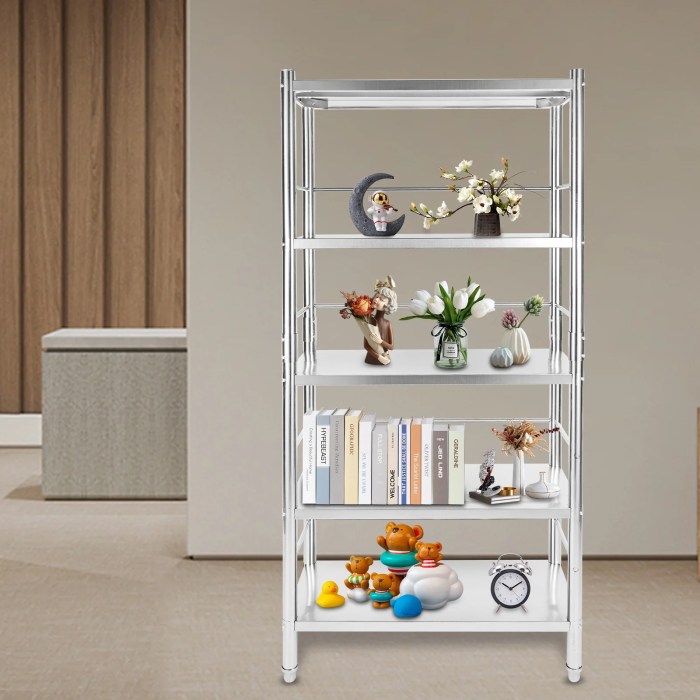
Proper maintenance of shelf dividers is crucial for preserving their structural integrity, aesthetic appeal, and longevity. Neglecting these elements can lead to premature wear, damage, and a decline in the overall organization system. This section details the best practices for cleaning, preventing damage, and ensuring the safety of your storage solutions.
Cleaning and Maintaining Different Types of Shelf Dividers
Maintaining the cleanliness of shelf dividers is a straightforward process. Different materials necessitate specific cleaning approaches. A general rule of thumb is to avoid harsh chemicals and abrasive cleaners, as they can damage the surface and shorten the lifespan of the dividers.
- Plastic Dividers: Mild dish soap and warm water are usually sufficient for plastic dividers. Wipe down the surface with a soft cloth, and dry thoroughly to prevent water spots. Avoid using abrasive sponges or scouring pads, which can scratch the plastic.
- Wood Dividers: For wood dividers, use a soft cloth dampened with a mild cleaning solution (like a mixture of water and a few drops of dish soap). Wipe the surface clean and dry completely to prevent warping. Avoid excessive moisture, which can lead to the development of mold or mildew.
- Metal Dividers: Metal dividers, typically made from steel or aluminum, can be cleaned with a damp cloth and a mild dish soap solution. For stubborn stains, use a soft-bristled brush to remove dirt and debris. Thorough drying is essential to prevent rust.
- Glass Dividers: Glass dividers require careful cleaning to prevent scratches. Use a glass cleaner and a soft cloth to wipe the surface, ensuring thorough drying to prevent water spots.
Preventing Damage and Deterioration
Proactive measures are essential for maintaining the quality and appearance of shelf dividers. Understanding the potential causes of damage will enable you to adopt preventative measures.
- Avoiding Excessive Moisture: Moisture is a significant enemy of many materials. Ensure proper ventilation around storage units and avoid placing dividers in areas prone to high humidity or spills. This precaution is particularly important for wooden and metal dividers.
- Protecting from Impact: Shelf dividers should be positioned securely to prevent them from being knocked over or bumped. Use padding or protective coverings if necessary, especially in areas with high traffic.
- Regular Inspection: Regularly inspect your shelf dividers for any signs of damage, such as cracks, warping, or loose connections. Addressing these issues early can prevent further deterioration and ensure safety.
Importance of Regular Inspections for Safety
Regular inspections are paramount to maintaining a safe and efficient storage environment. Unnoticed damage can lead to instability and potential accidents.
- Structural Integrity: Inspecting shelf dividers for structural integrity is vital. Look for any cracks, warping, or signs of weakening. If any are found, repair or replace the divider immediately to prevent the risk of collapse.
- Preventing Accidents: Regular checks ensure that the dividers are secure and will not cause accidents. This is particularly critical when dealing with heavy or fragile items.
Recommendations for Extending the Lifespan of Shelf Dividers
Proper care and maintenance are critical for extending the life of your shelf dividers. Following these recommendations can contribute to a longer-lasting organizational system.
- Proper Installation: Ensure dividers are installed correctly and securely. This will minimize stress on the divider, reducing the chances of damage.
- Storage Practices: Utilize proper storage techniques for the items you organize on the shelves. Distribute weight evenly to avoid overloading specific areas, minimizing strain on the dividers.
Maintenance Summary Table
| Material | Cleaning Method | Preventive Measures |
|---|---|---|
| Plastic | Mild soap and water, soft cloth | Avoid abrasive cleaners, prevent moisture |
| Wood | Damp cloth with mild soap solution | Avoid excessive moisture, protect from impacts |
| Metal | Damp cloth, mild soap, soft brush | Thorough drying, prevent rust |
| Glass | Glass cleaner, soft cloth | Handle with care, avoid scratches |
Safety Considerations for Children
Toy organization, while enhancing a child’s play space, necessitates careful attention to safety. Prioritizing child safety is paramount when incorporating shelf dividers, ensuring the environment remains secure and free from potential hazards.The safety of children is paramount in any design or organizational scheme involving play spaces. Properly installed and maintained shelf dividers minimize risks associated with instability, sharp edges, and potentially harmful components.
Potential Safety Hazards
Shelf dividers, if not meticulously chosen and installed, can pose several safety risks for children. These hazards include the potential for tipping, sharp edges, and choking hazards. Furthermore, the stability and security of the dividers are crucial to preventing accidents.
Child-Proofing and Stability
Ensuring shelf dividers are child-proof is critical. This includes selecting dividers made from non-toxic materials and verifying the stability of the dividers. Thorough examination of the anchoring mechanisms is essential to prevent tipping, which could cause injury. Avoid dividers with loose parts or easily detachable components that a child could potentially ingest. Ensure the dividers are anchored firmly to the shelves, utilizing appropriate hardware to prevent tipping.
Consider using heavy-duty, child-resistant fasteners.
Avoiding Sharp Edges and Loose Parts
Sharp edges on shelf dividers can cause cuts or abrasions. Choose dividers with smooth edges or rounded corners. Examine dividers for loose or detachable parts, as these can pose a choking hazard. Always check the dividers for any potential risks, such as small, detachable pieces. Look for dividers with robust construction to mitigate the risk of splintering or sharp edges.
Preventing Choking Hazards
The presence of small parts on shelf dividers can pose a choking hazard. Thoroughly inspect dividers for any small parts, especially for younger children. Avoid dividers with small, detachable components or intricate designs that could be easily broken into small pieces. Ensure dividers meet safety standards and regulations, as these standards are crucial for preventing choking hazards.
Appropriate Anchoring and Prevention of Tipping
Proper anchoring is critical to prevent shelf dividers from tipping over. Use appropriate hardware and fasteners that are suitable for the weight and size of the dividers and the shelving unit. Avoid using adhesives or other less secure anchoring methods. Test the stability of the dividers by applying a gentle force. Ensure the dividers are securely fastened to prevent any potential tipping or shifting.
If the dividers are large or heavy, professional installation might be required.
Examples of Toy Storage Solutions with Shelf Dividers
Maximizing space and maintaining order in a child’s play area is crucial for a productive and enjoyable environment. Shelf dividers provide a versatile solution, transforming cluttered shelves into organized havens. These solutions cater to various toy types, promoting both visual appeal and practical organization.Effectively utilizing shelf dividers for toy storage allows for easy access to specific items, reducing search time and promoting a sense of order.
This targeted approach to storage optimizes play space, making the area more inviting and conducive to imaginative play. Furthermore, a well-organized play area fosters a sense of accomplishment and encourages children to maintain their own play spaces.
Categorized Toy Storage
A well-organized play area often begins with categorizing toys. Shelf dividers are ideal for this, enabling a structured approach to storage. Dividers can be used to separate different types of toys, such as blocks, dolls, action figures, and vehicles. This creates distinct zones within the storage space, making it easier for children to find and put away their toys.
- Blocks and Building Toys: Use dividers to create separate sections for different sizes and types of blocks. A deeper section for large building blocks and a shallower section for smaller blocks ensures easy access and reduces clutter. This prevents blocks from tumbling and mixing. A good example is using dividers to make individual compartments for LEGOs, Duplo, and other block sets.
- Dolls and Playsets: Dividers can be employed to neatly arrange dolls, accessories, and playsets. Separate sections for different doll types or playsets, such as kitchen sets, playhouses, or dollhouses, help keep the area visually appealing and maintain order. Creating compartments for accessories like clothing, furniture, or kitchenware ensures everything is in its place.
- Vehicles and Action Figures: Vertical dividers work well for organizing a collection of vehicles and action figures. These dividers can be used to create separate sections for different types of vehicles (cars, trucks, airplanes, etc.) or action figures (different characters or brands). This is an effective method to prevent the toys from becoming mixed up.
Space Optimization with Varying Divider Sizes
Employing different sizes and heights of dividers is a key element in optimizing storage space. This approach allows for versatile organization, ensuring that every item finds its designated place. This strategy helps maximize the space available and reduces the risk of overcrowding.
- Maximize Vertical Space: Tall, narrow dividers are excellent for storing items like building blocks, stuffed animals, or small action figures, making the most of vertical space. This is particularly useful in areas with limited horizontal space. For example, use tall dividers for various action figures, dolls, and collectibles, stacking them neatly to save space.
- Optimize Horizontal Space: Use dividers of varying widths to create compartments for larger items like vehicles or playsets. These can be used to section off different types of toys, creating a visually appealing and functional arrangement. This method is suitable for organizing large items like vehicles and playsets.
- Adapt to Different Shelves: Adjust the size of the dividers based on the dimensions of the shelves. This ensures that the dividers fit perfectly within the available space, preventing wasted space or misalignment. This is a crucial aspect of optimizing storage for different shelf sizes.
Visual Appeal Through Color Coordination
Color coordination can enhance the visual appeal of organized toy storage. Using coordinating colors for the dividers and the storage containers can create a visually appealing and cohesive look. This strategy also improves the aesthetic appeal of the play area, making it more inviting for both children and adults.
- Matching Colors: Use dividers that complement the color scheme of the room or the toys themselves. Matching colors create a cohesive look, while contrasting colors can provide visual interest.
- Creating Visual Themes: Use color to create visual themes for different sections. For example, a section for cars could use red and blue dividers, while a section for dolls could use pink and purple. This approach is particularly useful in creating a visually appealing display for different categories of toys.
- Combining Textures and Materials: Combine dividers with different textures and materials to add visual interest. This could include using wood, plastic, or metal dividers with different finishes, which adds an element of sophistication to the play area. This combination helps create an appealing and varied play area.
Comparison of Different Shelf Divider Brands and Models
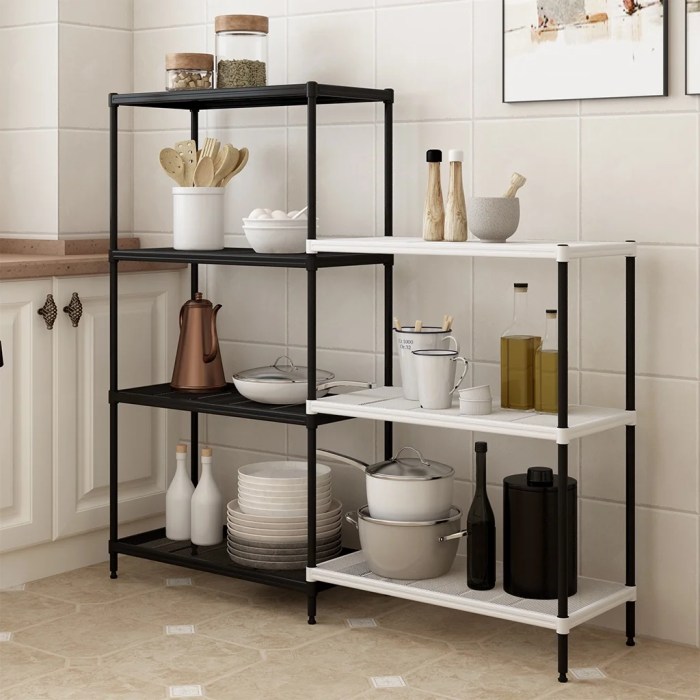
Navigating the market for toy shelf dividers reveals a spectrum of options, each promising efficient organization. Understanding the nuances of different brands and models is crucial for maximizing storage space and minimizing clutter. From budget-friendly solutions to premium options, the choices vary significantly in features, quality, and pricing.The varying quality and features of toy shelf dividers directly impact their lifespan and overall value.
A well-constructed divider, with robust materials and careful design, will stand up to frequent use and the demands of a busy household. Conversely, a poorly made divider may quickly break down, necessitating replacement and ultimately contributing to wasted expenditure. Therefore, a comparative analysis of brands and models is essential for informed purchasing decisions.
Brand and Model Feature Comparison
Different brands and models of shelf dividers cater to various needs and budgets. Understanding their distinct features allows for a more informed decision-making process. Price points vary considerably, reflecting the complexity of the design, materials, and intended use case. High-quality dividers often come with robust construction, ensuring long-term usability.
Price and Quality Differences
Price points for shelf dividers fluctuate widely. Budget-friendly options often utilize simpler designs and less durable materials. These dividers are suitable for occasional use or temporary storage needs. Conversely, premium brands often incorporate advanced features, superior materials, and robust construction. These options are ideal for heavy-duty use and high-traffic environments.
Consider the frequency of use and the specific storage requirements when selecting a shelf divider.
Durability and Longevity
Durability and longevity are crucial considerations when selecting shelf dividers. Durable materials, such as sturdy plastic or metal, are more resistant to wear and tear, offering a longer lifespan. Lightweight materials may be prone to bending or breakage over time, requiring more frequent replacements. The longevity of the shelf divider directly impacts the overall value proposition.
Warranty and Customer Support
Warranties and customer support vary across different brands. A comprehensive warranty provides assurance against manufacturing defects, offering peace of mind for the consumer. Strong customer support ensures quick resolution to any issues or questions, enhancing the overall purchasing experience. Consider these factors when weighing the value proposition of various shelf divider brands.
Comparative Table of Shelf Divider Brands
| Brand | Features | Price Range (USD) | Durability | Warranty | Customer Support |
|---|---|---|---|---|---|
| Brand A | Simple design, affordable | $10-$20 | Moderate | Limited | Basic |
| Brand B | Adjustable dividers, good quality | $20-$40 | Good | 1-year | Responsive |
| Brand C | Customizable, high-quality materials | $40-$80 | Excellent | 2-year | Exceptional |
Note: This table is illustrative and prices are approximate. Actual prices may vary depending on the specific model and retailer. Factors like shipping costs and promotional offers may further influence the final cost.
Future Trends in Shelf Dividers for Toys
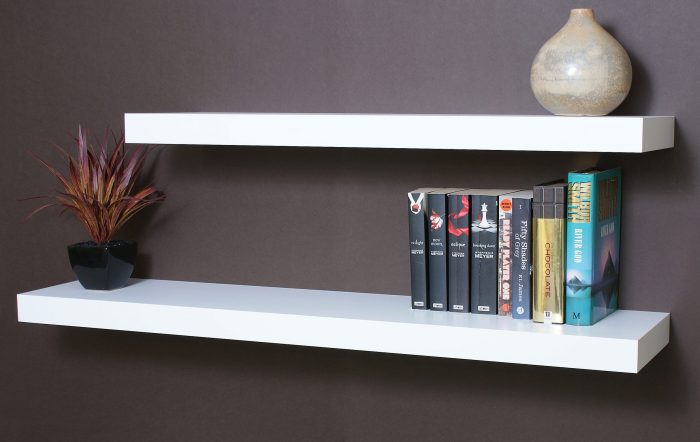
The toy storage landscape is rapidly evolving, driven by consumer demand for efficient, aesthetically pleasing, and increasingly sustainable solutions. Shelf dividers, once a simple organizational tool, are poised to integrate with emerging technologies and materials, offering parents and children more sophisticated and intuitive storage experiences.Shelf dividers are no longer merely functional; they are becoming integral components of a holistic toy management system, reflecting the growing emphasis on organized living spaces and mindful consumption.
This evolution is fuelled by a desire for greater control over clutter, a heightened awareness of environmental impact, and the seamless integration of technology into daily life.
Potential Design and Material Innovations
Shelf dividers are expected to see advancements in both design and materials. Expect to see more intricate and customizable dividers, allowing for flexible and adaptable storage solutions tailored to individual needs. These could include modular components that can be rearranged to accommodate different toy sizes and shapes. Furthermore, new materials, such as lightweight yet durable plastics with embedded antimicrobial properties, are likely to become more prevalent.
Bio-based plastics, derived from renewable sources, are emerging as a promising sustainable alternative to traditional petroleum-based plastics.
Emerging Trends in Toy Storage Solutions
The trend towards integrated toy storage solutions is accelerating. This includes not only the shelf dividers themselves but also the incorporation of storage systems that extend beyond traditional shelving units. Multifunctional furniture pieces, such as ottomans with built-in storage compartments and tables with adjustable shelving, are likely to feature integrated divider systems. This trend reflects a desire for space-saving solutions and an emphasis on versatile and multi-purpose furniture.
Sustainable Materials in Shelf Divider Creation
The use of sustainable materials in the creation of shelf dividers is a critical future trend. This is driven by increased consumer awareness of environmental issues and a growing preference for eco-friendly products. Bio-based plastics derived from plant materials, such as cornstarch or sugarcane, offer a compelling alternative to traditional petroleum-based plastics. Recycled materials, including post-consumer plastics and cardboard, are also gaining traction as sustainable alternatives.
The adoption of these materials will not only reduce the environmental footprint of shelf dividers but also contribute to a circular economy.
Integration with Smart Home Technology
Smart home technology is set to revolutionize the way toys are organized and accessed. Imagine shelf dividers that can be controlled via voice commands, adjusting the dividers dynamically to optimize space utilization. Furthermore, these dividers could be linked to a central system that tracks the location and usage of individual toys. Such integration would offer parents unprecedented control over their children’s play space, promoting organization and potentially even fostering more responsible play habits.
This integration could also enable personalized toy recommendations based on the child’s activity patterns. For example, the system might automatically adjust the dividers to create specific play zones for different activities.
Final Summary
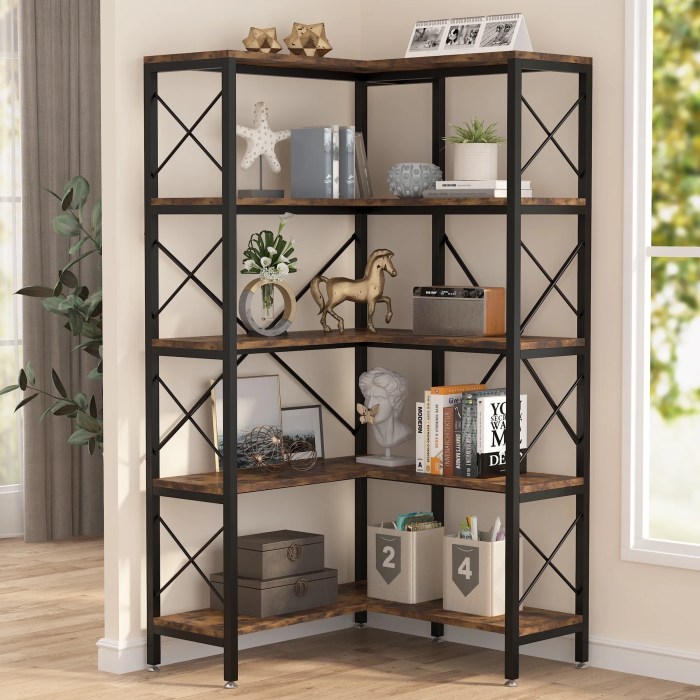
In conclusion, strategically chosen shelf dividers for toys are more than just organizational tools; they’re catalysts for a more structured and engaging play experience. By optimizing space, reducing clutter, and enhancing the aesthetic appeal of a child’s play area, these dividers transform a potentially chaotic environment into a well-organized haven. This comprehensive guide provides a roadmap to navigating the world of shelf dividers, empowering you to create the ideal toy storage solution for your family.
