
Shoe racks with mirrors are more than just storage; they’re design statements that transform entryways, closets, and bedrooms. Beyond practicality, these integrated solutions offer a unique blend of organization and aesthetic appeal. From rustic charm to modern minimalism, the options are as diverse as the styles they complement. Clever mirror placement not only reflects light but also creates an illusion of spaciousness.
This comprehensive guide delves into the multifaceted world of shoe racks with mirrors, exploring various design features, functionality, practical applications, materials, and maintenance. We’ll examine how these versatile pieces can maximize space, enhance organization, and seamlessly integrate into diverse interior design schemes, ultimately transforming your home’s storage solutions.
Shoe Rack Design Features
Shoe racks with mirrors offer a stylish and functional solution for maximizing space and enhancing any entryway or hallway. Beyond basic storage, these racks provide a decorative element, reflecting light and visually expanding the area. Strategic design choices can transform a simple storage solution into a design statement.Integrating mirrors into shoe storage units can significantly impact a space’s perception.
The reflective surfaces create an illusion of spaciousness, making small entryways feel more open and airy. Careful consideration of materials, colors, and mirror placement is crucial to achieving the desired aesthetic and practicality.
Shoe Rack Design Variations
Different materials offer varying aesthetic possibilities. Wood racks, with their natural warmth and timeless appeal, provide a classic look. A rustic finish, with visible wood grain and subtle imperfections, evokes a cozy and inviting atmosphere. Modern wood racks, featuring sleek lines and clean finishes, integrate seamlessly into contemporary interiors. Metal racks, in contrast, exude a modern and industrial vibe.
Brushed nickel or stainless steel finishes lend a sophisticated touch, while painted or powder-coated metal offers more design flexibility, from bold colors to subtle metallic tones. Glass racks, transparent or frosted, provide a light and airy feel, ideal for showcasing footwear collections or creating a minimalist aesthetic. Each material choice dictates the color palette, influencing the overall room ambiance.
Aesthetic Considerations
The aesthetic of a shoe rack with mirrors depends on the desired style. A minimalist design emphasizes clean lines and neutral color palettes, with mirrors often framed subtly or seamlessly integrated into the structure. Rustic designs incorporate warm wood tones, natural finishes, and potentially distressed mirror frames, creating a cozy and inviting atmosphere. Modern designs feature sleek lines, bold colors, and potentially mirrored surfaces that extend beyond the shoe rack itself, reflecting the room’s ambiance.
Color palettes should be carefully selected to complement the existing décor. Warm neutrals, such as beige, cream, or light gray, create a harmonious backdrop for various styles. Bold colors, such as deep blues, greens, or reds, add a touch of personality to a space. The chosen color palette should enhance the room’s overall aesthetics and not clash with existing furnishings.
Mirror Placement and Functionality
Strategic mirror placement significantly influences the shoe rack’s visual impact and practicality. Full-length mirrors, when integrated into the rack design, provide a practical way to check one’s appearance before leaving the house. Mirrors placed on the sides or above the shoe storage area visually expand the space and enhance the entryway’s light. A large, central mirror, or a series of smaller mirrors, can create a focal point in the room.
Functionality is also paramount; mirrors positioned to reflect natural light maximize the illumination of the entryway, enhancing the space’s overall feel. Conversely, placing mirrors opposite a window can amplify the view and make the space feel larger.
Comparative Analysis of Shoe Rack Types
| Shoe Rack Type | Material | Space-Saving Features | Storage Capacity | Aesthetic Style |
|---|---|---|---|---|
| Wood with Mirrors | Wood, Glass | Suitable for various space sizes, especially with slim designs. | Can accommodate a moderate amount of shoes, depending on the rack’s dimensions. | Classic, rustic, or modern, depending on the chosen finish. |
| Metal with Mirrors | Metal, Glass | Lightweight designs can be easily moved or repositioned. | Comparable storage capacity to wood, but may not accommodate bulky shoes. | Modern, industrial, or contemporary, depending on the finish. |
| Glass with Mirrors | Glass, Metal | Creates an open and airy feel, maximizing visual space. | Suitable for a smaller collection of shoes, with a focus on displaying footwear. | Minimalist, contemporary, or modern. |
The table above provides a comparative overview of different shoe rack types, considering their space-saving attributes, storage capacity, and aesthetic appeal. Each type offers unique benefits, making the best choice dependent on individual needs and preferences.
Functionality and Organization
Shoe racks with mirrors, beyond their aesthetic appeal, offer significant advantages in maximizing space and maintaining order in a home. Properly designed and implemented, these units can transform a cluttered shoe area into a stylish and functional storage solution. The combination of storage and reflective surfaces streamlines the process of sorting, selection, and tidying up footwear.Shoe organization systems are crucial for maintaining a tidy home environment.
A well-organized shoe rack contributes to a smoother daily routine, reducing the time spent searching for specific pairs. Careful consideration of storage methods, particularly for different types of footwear, can significantly impact the efficiency and appeal of the space. Effective organization extends beyond simply placing shoes in a rack; it involves strategies to optimize space and maintain visual appeal.
Maximizing Space and Organization
Effective shoe rack design encompasses more than just the structure. Strategic placement and the utilization of various storage techniques are vital. Utilizing vertical space efficiently, through tiered shelving or multi-level designs, is a fundamental principle for maximizing the available area. This approach not only increases the capacity but also presents a visually organized and appealing display. Additionally, considering the varying heights and shapes of different shoe types is crucial for creating a system that works seamlessly.
Using shoe organizers, such as drawers or dividers, allows for compartmentalization and prevents shoes from shifting or becoming entangled.
Shoe Organization Methods
The choice of organizational methods for various shoe types is paramount to optimizing the shoe rack’s functionality. The following strategies exemplify how to maximize the benefits of different designs and materials. Understanding the characteristics of each shoe type, such as height and width, is essential for proper compartmentalization.
- High Heels: Dedicated compartments or designated sections within the rack are beneficial for maintaining the integrity of delicate high-heeled footwear. Using dividers or specialized shoe containers can prevent damage from rubbing or shifting during storage. Consider using a fabric-lined compartment to protect the shoes’ finish.
- Flats: Flats, with their varying styles and materials, can be effectively organized using drawer systems or shallow compartments. This approach facilitates easy access and visual identification. Fabric-lined dividers can be used to prevent scuffing or scratching.
- Boots: Tall boots often require dedicated space within the rack. Consider using a separate section, possibly a lower shelf or a custom-fitted boot organizer, to keep boots upright and prevent damage. A dedicated area for boots will also improve the aesthetic appeal and functionality of the shoe rack.
Organizational Systems Table
The table below Artikels different shoe types and the most suitable organizational systems for optimal storage and retrieval.
| Shoe Type | Organizational System | Benefits |
|---|---|---|
| High Heels | Dedicated compartments, dividers, fabric-lined containers | Prevents damage, maintains shape, easy access |
| Flats | Drawer systems, shallow compartments, fabric-lined dividers | Easy access, prevents scuffing, visual clarity |
| Boots | Lower shelves, custom-fitted boot organizers, separate section | Maintains upright posture, prevents damage, designated area |
Practical Applications and Uses
Shoe racks with mirrors offer a multifaceted solution for maximizing space and style in various room settings. Their dual functionality seamlessly integrates storage and visual appeal, presenting a compelling option for homeowners seeking both organization and aesthetic enhancement. This versatility extends beyond the typical entryway, proving adaptable to diverse interior design styles.The strategic placement of these racks, coupled with thoughtful sizing considerations, significantly impacts their effectiveness in optimizing storage and visual impact.
Entryways, bedrooms, and closets each present unique opportunities for leveraging these features. Careful attention to these details can transform a functional storage solution into a design element that elevates the overall ambiance.
Entryway Applications
Entryways are prime locations for shoe racks with mirrors. Their prominent position at the threshold facilitates convenient organization and visual appeal. The mirror enhances the sense of space and provides a practical spot to check one’s appearance before heading out. A large, well-designed rack can effectively manage a substantial collection of shoes while reflecting natural light and adding a touch of sophistication to the entryway.
However, excessive size or a cluttered design can visually overwhelm a smaller entryway.
Bedroom Integration
Shoe racks with mirrors can also find a place in bedrooms, particularly if space is limited. In master bedrooms or guest rooms, a discreet shoe rack with a mirror can provide an organized space for footwear while contributing to a more aesthetically pleasing environment. The mirror’s presence can be particularly beneficial in rooms with limited natural light, amplifying the feeling of spaciousness.
Conversely, a poorly integrated rack may create visual clutter, detracting from the overall bedroom aesthetic.
Closet Incorporation
Closet shoe racks with mirrors can be a valuable addition to maximize closet space and provide an organized system for footwear. The mirror allows for easy viewing of shoes, preventing the need to open the entire closet to locate a specific pair. A well-placed, compact shoe rack with a mirror can free up valuable floor space within the closet.
However, if not carefully considered, the reflection can visually shrink a smaller closet space.
Optimal Placement and Sizing Considerations
| Room Layout | Optimal Placement | Sizing Considerations | Design Considerations |
|---|---|---|---|
| Entryway (narrow) | Against a wall, close to the door, but not blocking the entrance | Compact, with a mirror that doesn’t dominate the space | Light colors, clean lines |
| Entryway (wide) | Centered, or offset from the door | Larger, but avoid overcrowding | A style that complements the overall entryway design |
| Bedroom (small) | Corner, under a window, or in a niche | Compact, with a mirror that reflects light effectively | Mirrors that do not detract from the overall aesthetic of the room |
| Bedroom (large) | Near a dresser or vanity | Mid-size, with a mirror that enhances the room’s dimensions | Mirror design that aligns with the overall bedroom design |
| Closet (small) | Against a wall, maximizing vertical space | Small, to maximize space within the closet | Minimalist design to avoid visual clutter |
Careful consideration of room dimensions and design aesthetics is critical for optimal integration. A shoe rack with a mirror that is too large for a space will overwhelm the room, while one that is too small will not adequately fulfill its intended function.
Materials and Construction
Shoe racks with mirrors, while functional, must also withstand daily use and maintain a polished aesthetic. Choosing the right materials and construction methods directly impacts the rack’s durability, cost-effectiveness, and overall appeal. Careful consideration of these factors is crucial for a successful product design.The durability and visual appeal of a shoe rack with mirror are significantly influenced by the chosen materials.
This section delves into the properties of various materials, their maintenance needs, and their cost-effectiveness, while also outlining the integration of mirrors into the design.
Durability and Maintenance of Materials
Different materials offer varying levels of durability and require distinct maintenance routines. Solid wood, for instance, provides a classic look but demands regular upkeep to prevent damage from moisture and scratches. Laminate or veneer options are more resistant to scratches and moisture, reducing maintenance requirements but potentially impacting the overall aesthetic appeal. Metal frames, particularly those made of stainless steel or powder-coated aluminum, offer exceptional durability and minimal maintenance needs.
These materials are less prone to warping or damage from water or impacts. Their inherent resilience makes them ideal for high-traffic areas.
Cost-Effectiveness of Materials
The cost-effectiveness of materials varies considerably. While solid wood can be expensive, its longevity and aesthetic appeal can make it a worthwhile investment in the long run. Laminate or veneer materials generally offer a good balance between cost and performance. Metal frames, particularly those made of cheaper metals, might be more cost-effective in the short term but could lead to a lower perceived quality.
Ultimately, the cost-effectiveness of a material should be weighed against its expected lifespan and the desired aesthetic.
Mirror Integration Techniques
Integrating mirrors into shoe rack designs requires careful planning and execution. Mirrors can be affixed directly to the frame or integrated into the design as a component. This often involves precise measurements and the use of specialized adhesives or mounting hardware. Adhering mirrors to the frame demands ensuring a secure bond and maintaining the mirror’s integrity during transportation and potential future movements.
The choice of mounting method is crucial for long-term durability. Some designs may employ a beveled edge to the mirror for aesthetic enhancement, further complicating the integration process.
Comparison of Mirror Types
| Mirror Type | Pros | Cons |
|---|---|---|
| Beveled | Enhanced visual appeal, adds depth and dimension to the design. | More complex to install, potentially more expensive, increased risk of breakage during installation and transit. |
| Framed | Provides a structured look, hides imperfections in the mirror’s edges, can be easily customized. | Adds weight and complexity to the design, frame material may impact the overall cost and aesthetic. |
| Unframed | Simple and clean design, can be cost-effective, allows for seamless integration with the shoe rack’s structure. | Mirrors are more susceptible to damage, requires careful installation to ensure a clean and even finish. |
The table above provides a comparative overview of various mirror types for shoe rack applications. The selection of a specific mirror type should consider the overall design aesthetic, cost constraints, and anticipated level of usage. Each option presents unique advantages and disadvantages that need careful consideration before implementation.
Space Saving and Storage
Maximizing storage in confined spaces is crucial for optimizing living and working environments. Shoe racks with mirrors, thoughtfully designed, can transform a cluttered entryway or small closet into a stylish and functional storage solution. Clever configurations and the integration of various storage elements are key to accommodating a wide range of shoe sizes and quantities.Shoe racks with mirrors, when strategically placed, not only store footwear but also enhance the visual appeal of a space.
A well-designed rack can visually expand a room by reflecting light and adding a touch of elegance. This design flexibility allows for both the practical storage of shoes and the creation of a polished aesthetic.
Maximizing Storage in Small Spaces
Shoe racks with mirrors can be designed to maximize storage space in small areas by incorporating vertical space. Stackable designs, for example, can be used to increase storage capacity without taking up extra floor space. Narrow shoe racks with deep compartments can hold more pairs of shoes compared to shallow racks. The use of multi-tiered configurations can be optimized for vertical storage, effectively doubling or tripling the shoe capacity within the same footprint.
Different Configurations for Shoe Sizes and Quantities
Various configurations can accommodate diverse shoe sizes and quantities. Modular designs allow for customization and adaptation to individual needs. A configuration with a combination of open shelves and drawers, for instance, allows for both displaying and storing shoes. The choice of shelf depth and width can be tailored to accommodate specific shoe types and sizes, from sneakers to high heels.
Balancing Functionality and Visual Appeal
Balancing functionality with visual appeal is paramount. Mirrors, strategically positioned, can reflect light and create a sense of spaciousness. The use of materials like polished wood, sleek metal, or tempered glass can contribute to a modern and sophisticated aesthetic. The color palette of the rack can be coordinated with the overall interior design to ensure a harmonious blend.
Storage Solutions
| Storage Solution | Description | Shoe Capacity (Example) |
|---|---|---|
| Open Shelves | Ideal for displaying favorite shoes or seasonal footwear. | 20-30 pairs, depending on shelf size and shoe type |
| Drawers | Excellent for storing shoes that are not in use frequently or need to be kept organized and dust-free. | 15-25 pairs, depending on drawer depth and shoe type |
| Cubbies | Provide designated spaces for specific types or sizes of shoes, keeping them organized and readily accessible. | 10-20 pairs, depending on cubby dimensions and shoe type |
The table above demonstrates the varied shoe storage solutions offered by different rack designs, illustrating how the right configuration can cater to various shoe needs.
Style and Aesthetics
Shoe racks with mirrors, beyond their practical functionality, offer a significant opportunity to enhance the aesthetic appeal of any space. The reflective surface of the mirror not only doubles the available visual space but also subtly influences the overall style and ambiance. Integrating a well-designed shoe rack with a mirrored surface can transform a mundane storage solution into a stylish focal point.Mirrors, when incorporated into a shoe rack, act as a dynamic element, transforming a storage solution into a decorative piece.
The interplay between the reflective surface and the surrounding environment creates a captivating visual experience. Careful consideration of mirror finishes and frames plays a pivotal role in determining the final aesthetic outcome.
Impact of Mirror Finishes
Different mirror finishes significantly impact the style and feel of a shoe rack. A sleek, modern shoe rack might benefit from a beveled or frosted mirror finish, while a more traditional design might pair well with a classic, unadorned mirror. The subtle variations in light reflection and transparency influence the overall ambiance of the space. Consider the existing décor and lighting conditions to choose the most appropriate mirror finish.
Impact of Mirror Frames
The choice of mirror frame profoundly affects the aesthetic. Sleek, minimalist frames complement contemporary interiors, while ornate, decorative frames enhance traditional or vintage settings. The frame’s material, such as wood, metal, or even a unique woven pattern, further contributes to the overall style and personality of the shoe rack. A frame’s design should be carefully chosen to harmoniously integrate with the surrounding décor.
Cohesive Design Integration
Creating a cohesive look involves integrating the shoe rack with the surrounding décor. Color palettes, lighting, and overall design language should be consistent. If the room features a bold color scheme, the shoe rack’s mirrored surface can act as a reflective canvas, enhancing the vibrancy. A neutral palette, conversely, allows the shoe rack to serve as a sophisticated accent piece.
Design Styles and Color Palettes
| Design Style | Color Palette | Description |
|---|---|---|
| Modern Minimalist | Neutral (Gray, White, Black) | Sleek lines, simple mirror frames, and a focus on clean aesthetics. Mirrors are often large and unadorned, emphasizing the reflective quality. |
| Rustic Farmhouse | Warm Tones (Beige, Brown, Cream) | Natural wood tones, slightly textured mirrors, and muted color palettes. The shoe rack complements the cozy and relaxed atmosphere. |
| Contemporary Glam | Bold Colors (Gold, Silver, Teal) | Mirrors with ornate or metallic frames, often featuring geometric patterns. The shoe rack serves as a glamorous statement piece, reflecting the room’s sophisticated style. |
| Bohemian Chic | Earthy Tones (Terracotta, Olive, Taupe) | Mirrors with intricate, hand-crafted frames, incorporating natural materials like wood or woven patterns. The shoe rack enhances the eclectic and artistic ambiance. |
These examples showcase the wide array of possibilities when designing shoe racks with mirrors. The key lies in understanding how the mirror’s reflective properties and the frame’s design can be leveraged to create a visually engaging and functional piece of furniture.
Safety and Accessibility

Shoe racks with mirrors, while adding a stylish touch to any space, require careful consideration of safety and accessibility features. Proper design ensures not only the longevity of the product but also the well-being of users, especially in high-traffic areas. This section explores crucial elements for safe and accessible shoe rack design.Ensuring the shoe rack’s stability and weight distribution is paramount.
The rack must be able to withstand the weight of shoes, potentially heavy items stored on it, and any potential impact. This demands robust construction, suitable materials, and a well-calculated center of gravity. Overloading the rack can compromise its stability, potentially leading to accidents.
Safety Considerations
Proper weight distribution is vital for preventing tip-overs or other structural failures. Shoe racks should be designed with a stable base and adequate support, considering the maximum anticipated weight capacity. Mirrors, while visually appealing, also add weight to the structure, further emphasizing the importance of robust material selection. Careful consideration of the mirror’s size and mounting method is crucial for overall safety.
Weight Distribution and Stability
Optimal weight distribution involves strategically placing heavier items at the base of the rack and ensuring a balanced load across the support structure. The shoe rack’s design should allow for this, perhaps with adjustable shelves or designated zones for different weights. Testing the rack under anticipated loads is critical to verify its stability and longevity. For instance, simulating the weight of various shoe types and potentially heavy items on the shelves will provide a reliable evaluation.
Accessibility Features
Ergonomic design enhances usability and minimizes strain. Adjustable shelves allow for customization based on shoe size and type. This accommodates varying storage needs and prevents items from shifting or falling. Easy-grip handles, especially for taller racks, facilitate effortless maneuvering and prevent accidental slips or falls. This is particularly important for individuals with mobility limitations or those who regularly access the rack.
Safety Standards and Regulations
| Country | Safety Standards for Shoe Racks | Regulations on Mirror Placement |
|---|---|---|
| United States | ASTM F2055 – Standard Consumer Safety Performance Requirements for Household Storage Furniture | ANSI Z97.1 – Standard for Safety Glazing Materials for Buildings |
| European Union | EN 12520 – Safety requirements for household furniture | EN 12150 – Safety of glazing materials for building applications |
| Japan | JIS standards for furniture safety | JIS standards for safety glazing materials |
| China | National standards for furniture safety | National standards for safety glazing materials |
This table presents a comparative overview of safety standards and regulations. Variations exist across countries, reflecting differing priorities and specific requirements for household furniture. Adherence to these standards is crucial for manufacturers to ensure product safety and consumer protection. This data serves as a benchmark for designing safe and compliant shoe racks.
Maintenance and Cleaning
Shoe racks with mirrors, while stylish and functional, require diligent upkeep to maintain their aesthetic appeal and longevity. Proper cleaning and preventive measures are crucial to avoid damage and ensure the reflective surface of the mirror remains clear, and the rack frame retains its integrity. Neglecting these aspects can lead to diminished value and compromised safety.Maintaining the pristine condition of a shoe rack with mirror hinges on understanding the specific materials used.
Different materials react differently to cleaning agents, and using the wrong product can cause damage. This section details the methods for maintaining the shoe rack and mirror surfaces, emphasizing cleaning procedures for both the frame and the reflective glass. Preventive measures are also highlighted to safeguard the investment.
Cleaning Procedures for Shoe Rack Frames
Proper frame cleaning prevents premature wear and tear. Different materials require tailored approaches. The following guidelines Artikel suitable methods for various frame materials.
- Wood Frames: Wood shoe racks benefit from gentle cleaning. Use a soft cloth dampened with a mild, non-abrasive cleaner, such as a diluted solution of white vinegar and water. Avoid harsh chemicals or abrasive materials that could scratch or damage the wood finish. Wipe down the surface, ensuring thorough drying to prevent water stains. For particularly stubborn marks, consider specialized wood polish.
- Metal Frames: Metal frames, often made of steel or aluminum, respond well to a damp cloth and a mild dish soap solution. Scrub gently to remove dirt and grime, then rinse thoroughly and dry completely to prevent rust. For stubborn stains, a metal polish specifically designed for the metal type can be effective.
- Glass Frames: Glass frames, if present, should be cleaned with a glass cleaner. Avoid harsh chemicals or abrasive materials, as these could scratch the glass. A microfiber cloth, or a soft cloth with glass cleaner, will ensure a streak-free shine.
Cleaning Procedures for Mirror Surfaces
Maintaining the clarity and brilliance of the mirror is vital.
- Glass Mirrors: Glass mirrors require specialized cleaning. Use a glass cleaner specifically designed for mirrors, avoiding harsh chemicals. Apply the cleaner to a microfiber cloth, gently wipe the surface, and then buff to a shine. Avoid using paper towels, which can leave streaks.
Cleaning Materials Table
This table provides a concise overview of cleaning methods for various materials used in shoe racks with mirrors.
| Material | Cleaning Method | Cleaning Solution |
|---|---|---|
| Wood | Gentle wiping with a damp cloth | Mild, non-abrasive cleaner (e.g., diluted vinegar and water) |
| Metal | Gentle scrubbing with a damp cloth | Mild dish soap solution |
| Glass (Mirror) | Wiping with a microfiber cloth | Glass cleaner |
Preventive Measures
Preventing damage to the shoe rack and mirror is key to long-term maintenance.
- Dusting: Regular dusting prevents buildup of dust and debris that can scratch the surface over time. Use a soft brush or cloth to remove dust from both the shoe rack and the mirror.
- Avoid Harsh Chemicals: Harsh chemicals can damage the finish of the wood, metal, or glass. Always use mild cleaning agents.
- Avoid Abrasive Materials: Abrasive materials, such as scouring pads, can scratch the surface of the shoe rack and mirror. Stick to soft cloths.
- Protection from Moisture: Excessive moisture can damage wood and promote rust on metal. Avoid placing the shoe rack in areas prone to water or humidity.
Customer Reviews and Feedback
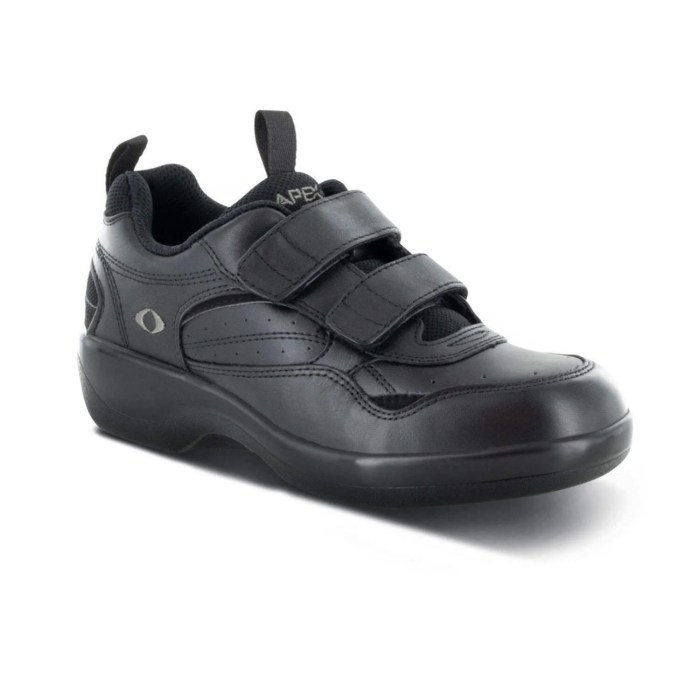
Consumer feedback is crucial for refining product design and meeting market demands. Analyzing reviews on shoe racks with mirrors provides valuable insights into customer satisfaction, highlighting strengths and weaknesses of the product. Understanding the common themes and concerns allows manufacturers to address potential issues and enhance the overall customer experience.
Customer Sentiment Analysis
A comprehensive analysis of customer reviews reveals a spectrum of opinions. Positive feedback often praises the combination of storage and style, while negative reviews frequently cite issues with stability or mirror quality. This duality underscores the importance of addressing both aesthetic appeal and structural integrity in the design process.
Positive Customer Reviews
Positive feedback frequently highlights the dual functionality of shoe racks with mirrors. Customers appreciate the space-saving design, enabling them to organize shoes efficiently while adding a decorative element to their entryways. Many rave about the stylish design, praising its ability to complement various interior styles. A significant portion of reviews emphasize the mirror’s usefulness for checking one’s appearance before leaving the house.
Negative Customer Reviews
Negative feedback often centers on issues related to stability and the quality of the mirror. Customers have reported instances of the rack tipping over, particularly when overloaded with shoes. Complaints regarding the mirror’s clarity or durability are also common. Some reviews indicate difficulty assembling the rack, leading to frustration and a negative experience.
Categorized Customer Feedback
| Category | Positive Reviews | Negative Reviews |
|---|---|---|
| Functionality | “Excellent space-saving design. Keeps my entryway organized.” | “The rack is unstable; it tipped over when I placed a few pairs of shoes on it.” |
| Aesthetics | “Stylish and modern design. The mirror complements my hallway perfectly.” | “The mirror quality is poor. It has noticeable scratches and distortions.” |
| Durability | “The rack is sturdy and well-made. It can handle a lot of shoes.” | “The rack’s assembly instructions were confusing, and I struggled to put it together.” |
| Assembly | “The rack was easy to assemble. No issues at all.” | “The screws were too short, and the rack wasn’t stable.” |
Summary
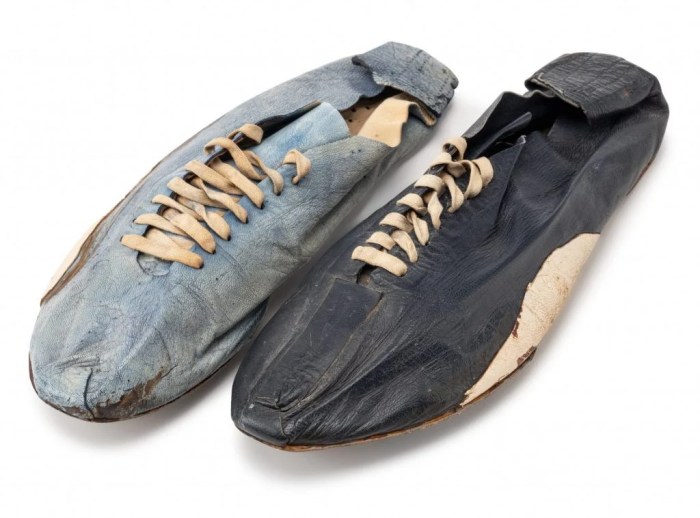
In conclusion, shoe racks with mirrors offer a powerful combination of function and form. Their design versatility, from rustic wood to sleek metal, coupled with the practical advantages of organization and space-saving solutions, makes them a valuable addition to any home. By considering factors like mirror placement, material choices, and maintenance, homeowners can select a shoe rack that seamlessly blends with their individual style and enhances their space’s functionality.